Category: Herb Garden

From Ancient Mediterranean Traditions to the Modern Herb Garden: The Story of Thyme

Discover the remarkable journey of thyme from ancient Mediterranean hillsides to modern kitchen windowsills.

Read the Essay

A BOTANICAL CHRONICLE

Opening Story


T

o cultivate thyme indoors is to invite the wild, aromatic essence of the Mediterranean into your home. This ancient herb, revered by emperors and cooks alike, thrives on minimal care but demands maximum light to concentrate its essential oils.

As a potted companion, it fills the kitchen with a sharp, herbal clarity. Below, we explore the simple rituals of tending this timeless botanical treasure, ensuring your indoor garden remains vibrant and fragrant throughout the seasons.

Botanical Biology

Leaves and Light Capture

The foliage of Thymus vulgaris is a marvel of evolutionary adaptation. Designed to withstand the intense solar radiation of the Mediterranean, its tiny, decussate leaves utilize a specialized anatomical structure. Under microscopic examination, these leaves reveal an exceptionally dense distribution of glandular trichomes—microscopic hair-like structures that secrete essential oils containing active phenols like thymol and carvacrol. This volatile barrier acts as a thermal buffer, refracting excessive light and cooling the leaf surface to optimize overall photosynthetic efficiency.

Recent Scientific Developments

Contemporary pharmacological research has shifted from traditional appreciation to deep cellular validation. Recent in vitro trials focus heavily on the synergistic interactions within the plant’s volatile matrix. Studies indicate that the combined presence of Thymus flavonoids and monoterpenes triggers highly targeted anti-inflammatory pathways, effectively down-regulating pro-inflammatory cytokines. This intersection of historic ethnobotanical wisdom and rigorous clinical inquiry highlights the species as a critical template for modern therapeutic drug discovery.

Scientific botanical illustration of Thymus vulgaris demonstrating leaf anatomy and light-capturing properties
The Plant in Modern Life

Sustainability and Biodiversity


In the face of modern climate shifts, thyme stands as an icon of ecological resilience. Highly prized in water-conscious landscaping and contemporary urban gardens, it demands remarkably little to offer bountiful cover. By naturally repelling pests while attracting vital pollinators, it weaves a thriving micro-ecosystem wherever it is planted.

“Unlike crops that underwent dramatic transformation through selective breeding, thyme remained relatively close to its wild form—resilient, adaptable, and forgiving of imperfect conditions.”

— Modern Cultivar Review
Earthy, rustic lifestyle container styling featuring resilient botanical thyme details.
The Silphora Growing Guide

Part 1: From Selection to Sunlight

Follow steps 1 through 6 to establish a thriving Mediterranean botanical environment for your premium herbs.


01

Evaluate Leaf Integrity

Examine the foliage for vibrant, deep green colors and aromatic potency. Steer clear of any specimen showing signs of yellowing, spotty blemishes, or early stem decay.

02

Examine Root Health

Lift the plant carefully out of its temporary pot. Look for firm, pale root systems winding organically through soil. Avoid plants that are root-bound or smell heavily of stagnant moisture.

03

Optimal Potting Medium

Transplant into a lightweight, sandy loam potting mixture. Thyme demands rapid drainage to prevent pooling around delicate root networks.

SILPHORA RECOMMENDATION

Always choose unglazed terracotta planters. The porous natural clay wicks away dangerous standing moisture naturally.

04

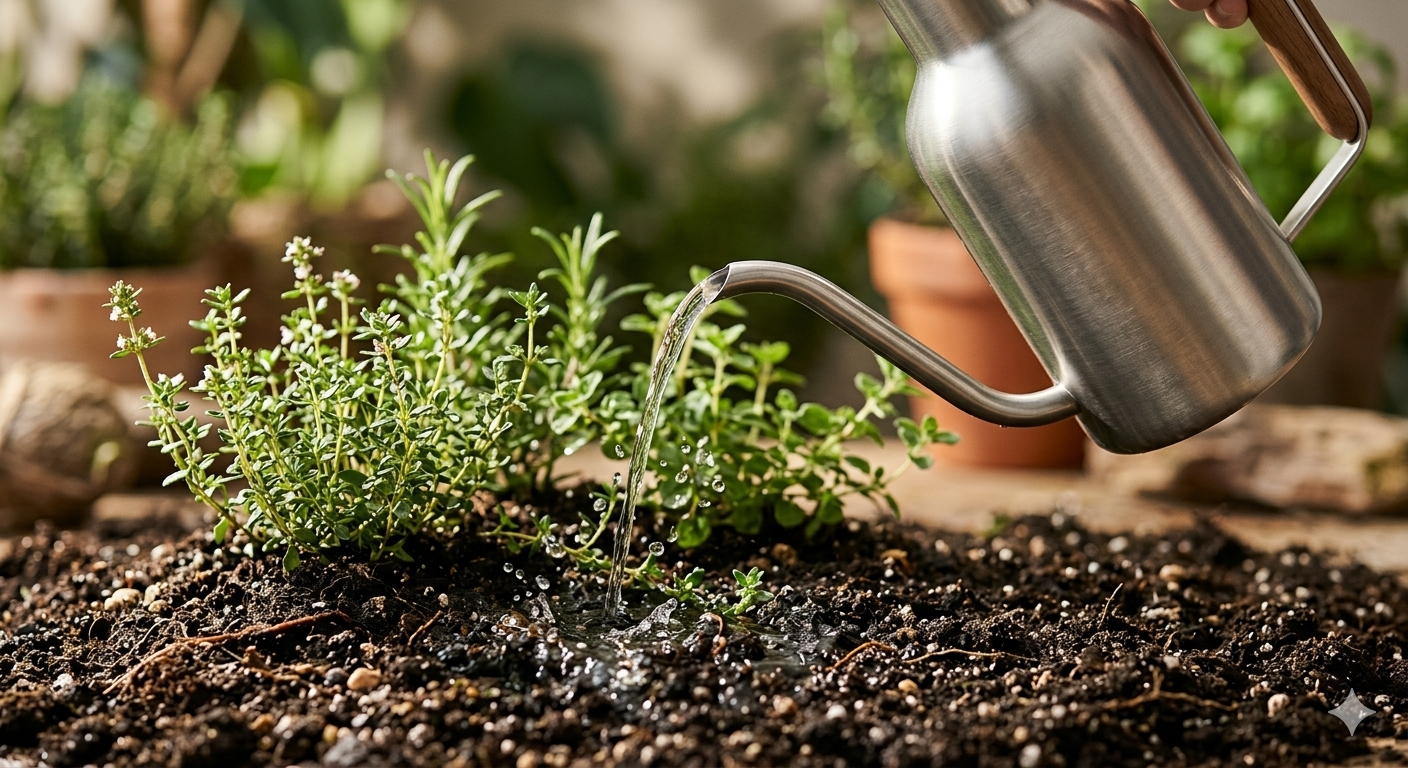
Hydration Rhythms

image 6eddb542

Allow the potting media to dry completely between sessions. Thyme thrives on drought imitation; over-watering remains the single most common threat.

05

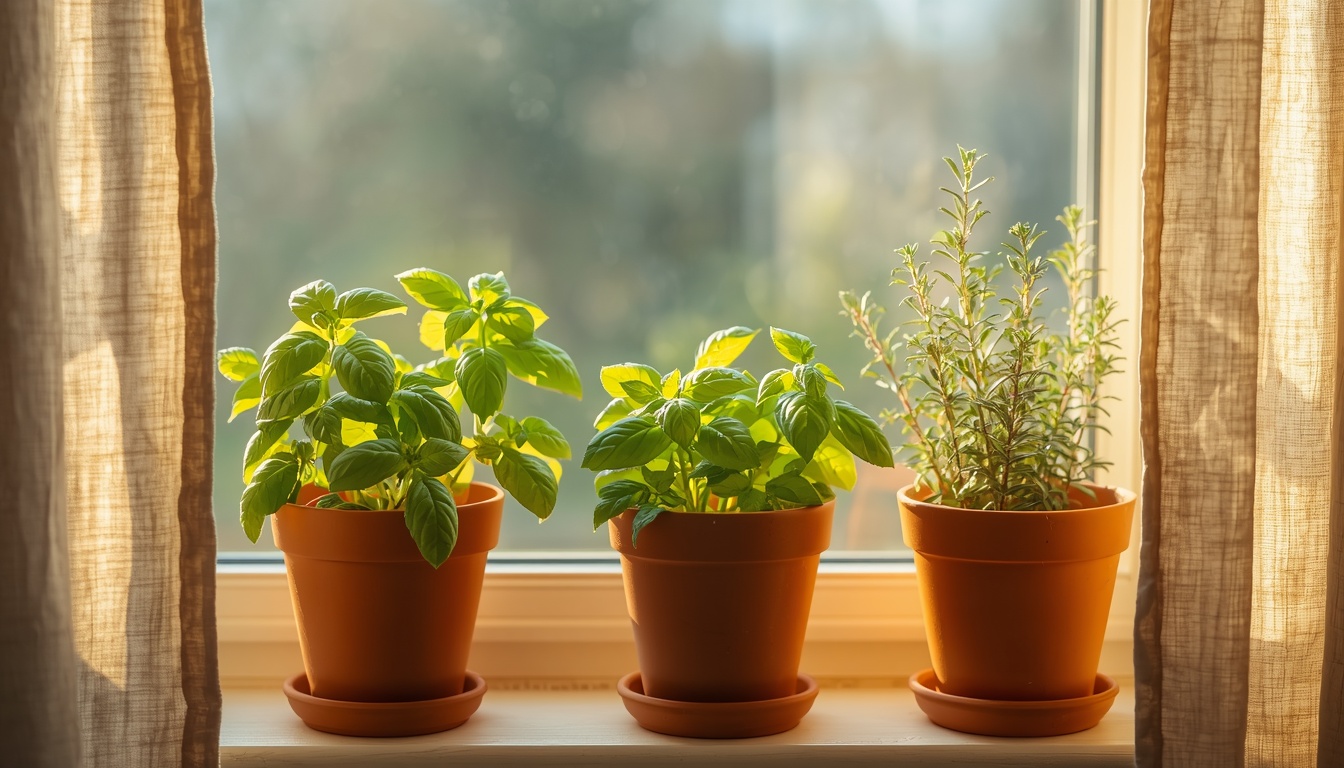
Natural Light Exposure

Fresh basil mint and rosemary growing in terracotta pots on a sunny apartment wi 0 1 1

Place your herb near a south or west-facing window. To correctly synthesize essential aromatic oils, thyme demands a baseline of six hours of direct sun daily.

06

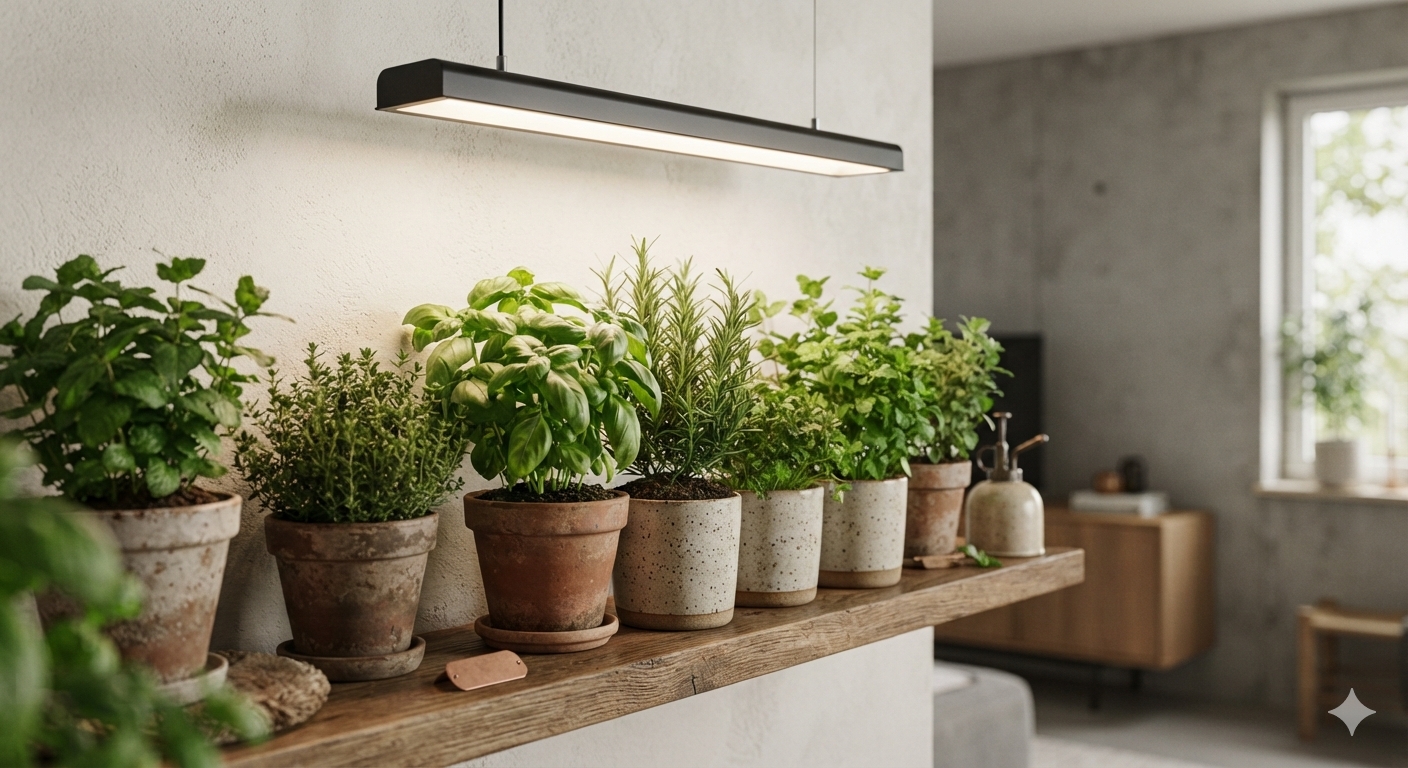
Supplementary Lighting

image 7eaf0a5a

For indoor spaces lacking adequate exposure, install supplementary grow lights to maintain consistent, rich vegetative development year-round.

SILPHORA RECOMMENDATION

Suspend full spectrum LEDs exactly 6-8 inches above foliage. Automate cycles on a timer to deliver 12 hours of light.

Part II: Mediterranean Cultivation & Care

The Growing Guide

Perfecting the conditions for mature herbal growth. Steps 07 through 13 detail the path from temperature regulation to fine-tuned propagation techniques.


Step 07

Temperature

Thyme prefers warm, temperate conditions scaling from 60°F to 80°F (15°C to 27°C). Ensure protection from harsh winter frosts by sheltering ground-planted specimens under a protective layering of organic straw mulch.

Step 08

Air Humidity

Low atmospheric moisture mimics Mediterranean cliff-sides. To counter humid summers, allow adequate microclimate spacing. This crucial step prevents heavy, stagnant moisture accumulation from encouraging root mildew.

Detailed Sub-Section • Step 09

Propagating Healthy Stems

Multiplying thyme allows you to secure identical heritage lineages. Harness both stem cuttings and intentional root pruning to encourage consistent clonal vigor.

Harvested fresh thyme cuttings in glass vessels

Stem Cuttings Ritual

Clip healthy 4-inch tips of active stems, stripping leaves off the lower third. Nestle into sterilized grit sand/perlite medium. Keep warm, misting occasionally until fresh micro-shoots appear in about three weeks.

Gentle trimming of botanical roots

Careful Root Separation

Every alternate autumn, separate established root structures into distinct botanical segments. Clear withered wood, preserve white feeding roots, and settle directly back into freshly enriched porous container soil.

Step 10

Potting & Root Space

Repot thyme every alternate spring to avoid choked root structures. Choose unglazed clay vessels which naturally encourage healthy moisture transpirations and help retain necessary aerobic soil conditions.

Step 11

Pruning Habit

Never prune back to old, woody growth centers. Trim fresh green tips back by one-third following midsummer blossoms. Doing so preserves the natural core while stimulating thick, bushy herbaceous crowns.

Step 12

Pests & Problems

Watch for early spider mites or localized aphids hidden in heavy, low foliage. Clean branches using organic horticultural insecticidal oil or simple castile washes, ensuring deep root health remains chemically chemical-free.

Step 13

Seasonal Care

Respect winter dormancy cycles. Drastically reduce watering schedules from late October to February. Resume organic compost amendments in early spring as structural day lengths return to over twelve hours.

Troubleshooting & Cultivation Tools

An editorial guide to diagnosing Mediterranean thyme anomalies, accompanied by hand-selected botanical instruments for indoor and outdoor growers.


The Troubleshooting Table

Symptom
Probable Cause
Botanical Solution

Yellowing foliage & soft stems

Over-saturation of soil; root hypoxia due to inadequate drainage vessel.

Suspend irrigation immediately. Repot in a terracotta vessel using a dry gritty Mediterranean soil mix.

Spindly, weak, leggy stems

Insufficient solar radiation; plant is stretching to find light source.

Relocate to unobstructed South-facing exposure or introduce a specialized full-spectrum LED grow light.

Powdery white leaf spots

High humidity thresholds coupled with stagnant air currents surrounding foliage.

Prune foliage center to maximize airflow. Hydrate soil profile strictly at base level, preserving dry foliage.

Recommended Tools

Cultivate your botanical collection with instruments chosen for quality, performance, and style.

Silphora Recommendation

Herb Planter

Unfired terracotta vessels designed to allow optimal evaporation, protecting roots from unwanted decay.

Acquire Vessel
Silphora Recommendation

Thyme Seeds

Organic, non-GMO French Summer Thyme seeds selected specifically for high aromatic oil output.

Secure Seeds
Silphora Recommendation

Grow Light

Full-spectrum LED systems that replicate Mediterranean solar cycles for compact, dense essential oil synthesis.

Expose Light
Silphora Recommendation

Organic Fertilizer

Slow-release seaweed & kelp formulas that fortify cell walls without accumulating mineral salts in soil.

Nurture Soil

Botanical Profile


FAMILY

Lamiaceae (Mint)

GENUS

Thymus

SPECIES

Thymus vulgaris

NATIVE RANGE

Mediterranean Cliffs

ACTIVE AGENTS

Thymol & Carvacrol

Botanical Details

Premium macro shot of Thyme foliage

A BOTANICAL CHRONICLE

Where the Plant Began


Ancient Roots & Rituals

Long before it seasoned modern cuisines, thyme carpeted the rocky Mediterranean hillsides. Ancient Greeks associated it with courage, while Romans bathed in thyme-infused waters to purify themselves and protect against poisons. This rugged herb was a symbol of clean energy and mental fortitude, deeply woven into the fabrics of early European civilizations.

Ancient Roman garden filled with aromatic herbs and structured stone paths

“Thyme's story is not simply one of cultivation. It is a story of human movement across continents...”

Enclosed monastery garden with lush green thyme and stone masonry

The Age of Trade

As empires expanded and trade routes opened, Benedictine monks brought thyme across the Alps during the Middle Ages. In monastery gardens, it was prized not only as a culinary staple but as a vital medicinal herb, representing a bridge between ancient lore and medieval science. From there, it became a cornerstone of both healing remedies and global flavor exchanges.

LEARN & UNDERSTAND

Frequently Asked Questions

Where is Silphora's thyme cultivated?

Our thyme is sustainably hand-harvested on the sun-drenched hills of Provence, France. Sourced from certified family-owned micro-farms, we ensure each sprig is grown in nutrient-dense calcareous soils to maximize the concentration of natural essential oils.

Yes, all Silphora botanical offerings are 100% certified organic. We adhere strictly to natural cultivation methods, completely avoiding synthetic pesticides, herbicides, or artificial additives throughout the entire growing and packaging process.

To preserve the delicate aroma and medicinal potency of our botanicals, store them in a cool, dry place away from direct sunlight. Once opened, keep the airtight amber jars tightly sealed to protect the volatile oils from oxidization.

Did You Know?

Our Philosophy

Through meticulous cultivation and mindful curation, Silphora brings the ancient botanical wisdom of thyme directly into your modern ritual. Each selection represents our commitment to natural purity, historical heritage, and sophisticated wellness.

lucid origin %E2%80%9CA composite illustration showing the connection between ancient and modern ga 0

EXPERIENCE SILPHORA

Begin Your Botanical Journey

Discover our collection of premium thyme blends and hand-harvested elixirs, designed to elevate your daily ritual.

Explore The Collection

The Art of Cultivation

Growing Guide: Part 1

An elegant walkthrough for nurturing organic thyme from seed to healthy botanical sprout. Follow steps 1 through 6 to lay the absolute finest foundation.


Sleek terracotta garden containers

01. Selecting Containers

Opt for breathing vessels such as terracotta clay pots with extensive bottom drainage. Thyme possesses extremely delicate root architecture that thrives when excess water can escape easily.

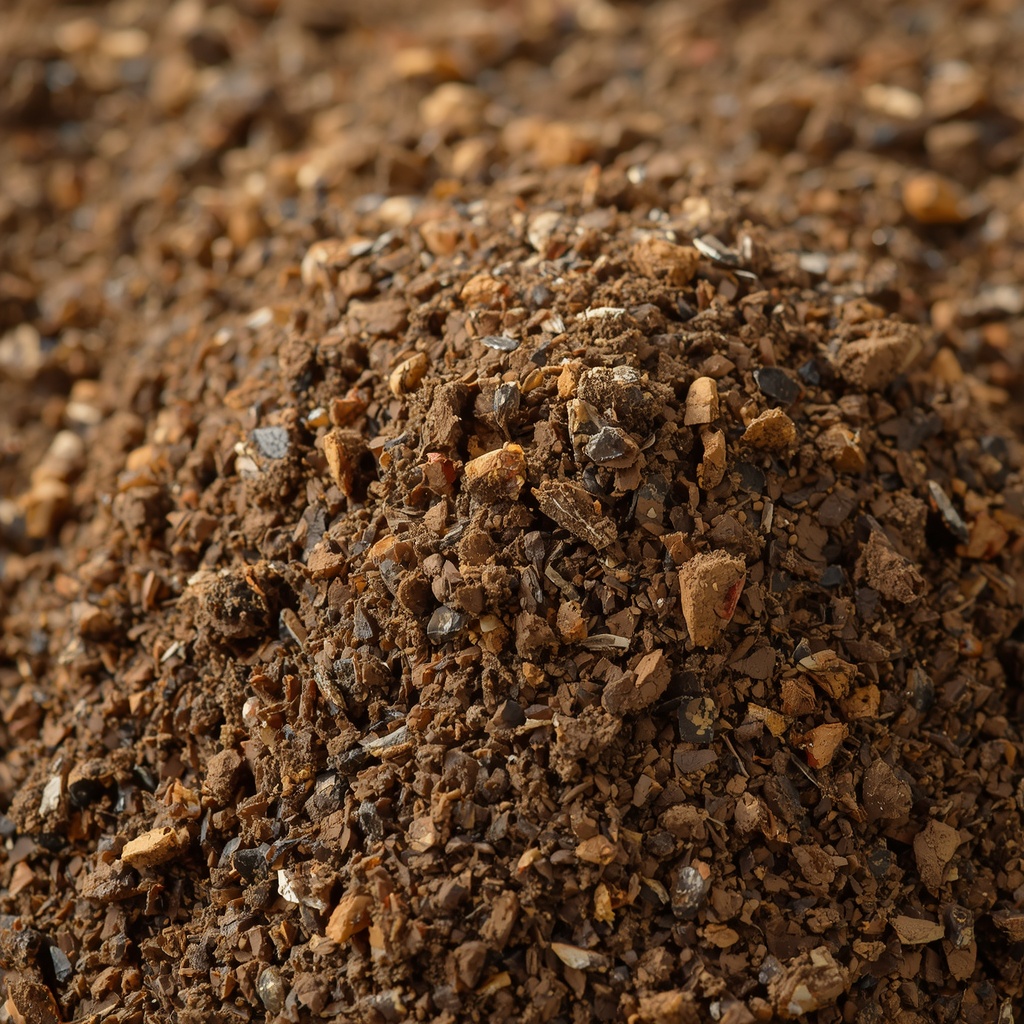
lucid origin A close up high detail photograph of dry organic potting soil. The soil is compo 0

02. Soil Formulation

Create an incredibly light, well-draining soil medium. Mix rich organic compost with clean playground sand or gritty perlite. Mimicking Mediterranean slopes ensures perfect long-term nourishment.

03. Sowing the Seeds

Scatter several tiny thyme seeds directly on top of your prepared container soil. Lightly press them down but do not bury them; they demand direct overhead light to wake up and grow.

DEPTH: SURFACE LEVEL ONLY

04. Moisture Management

Mist the container surface gently using a fine botanical mister spray bottle. Heavy pouring will bury the tiny seeds too deep. Keep the medium consistently humid until the first sprouts form.

METHOD: FINE MIST ONLY

05. Sunlight Architecture

Provide your newly emerging seeds with at least six to eight hours of direct, beautiful sunlight daily. Southern windows are ideal; supplementary growth lights work beautifully if needed.


06. Nurturing Sprouts

Once green loops unfold and true healthy plant leaves form, carefully thin out smaller sprouts. Preserve the absolute strongest stem to cultivate healthy, bushy herb production.

Fully established thriving thyme healthy plant sprout