
Hydroponic
The 7 Easiest Vegetables to Grow in a Hydroponic System
Fresh flavors, healthy greens, and the joy of growing your own food — without a garden
In 1699, English natural philosopher John Woodward grew spearmint in water prepared with different amounts of soil, testing a question that would shape later studies of plant nutrition: what does a plant draw from its growing medium? His experiment belongs to the early history of water culture, not to today’s indoor systems, yet it echoes in kitchen gardens where roots meet a measured nutrient solution instead of earth.
For most first-time growers, lettuce, green onions, basil, spinach, kale, mint, and bok choy are approachable choices. Compact leafy crops and herbs offer a forgiving start for curious home gardeners and cooks seeking fresh ingredients in small-space gardening. A nutrient solution is water containing dissolved mineral nutrients that supplies a plant’s roots in a soilless growing system. Woodward’s experiment tested water culture, not modern hydroponics, which uses controlled systems to deliver water and nutrients to roots. Today, that idea can bring useful growth into a kitchen, spare room, or bright corner. The best choice depends on the room available and the foods already on the table. A small indoor harvest can begin with one crop chosen for the space and meals already at home.
Key Takeaways
- Green onions, lettuce, and leafy herbs are gentle beginner choices.
- Crop fit depends on mature size, root space, and support needs.
- First-harvest estimates are guides, not promises of mature crops.
- Regular checks help keep nutrient solution and equipment in good shape.
- Compact plants make a practical start in a small indoor space.
Which Are the Best Vegetables for Hydroponics?
For a first indoor harvest, green onions, lettuce, and leafy herbs offer a gentler learning curve than large fruiting plants. Green onions, lettuce, basil, spinach, kale, mint, and bok choy are approachable options for a home hydroponic garden. The best vegetables for hydroponics indoors are compact crops that match the space, light, and system at hand.
These choices include culinary herbs as well as vegetables because both bring edible leaves and stems to home meals. Basil and mint are herbs, yet they belong beside vegetables in a practical list of useful home crops. A list of hydroponic plants should guide a first choice, not suggest every crop suits every setup.

Green onions for a compact, forgiving start
Green onions suit a small hydroponic garden because their upright leaves take little room. Their mild, fresh flavor adds color to eggs, noodles, soups, and salads. A cook can snip a few green tops while leaving the plant in place, which makes a small harvest easy to use.
They also tolerate a simple growing arrangement better than plants with large canopies or heavy fruit. Keep the roots in contact with the nutrient solution, and leave room for new leaves to rise above the opening. Store-bought root ends can also grow again when the roots remain attached. That makes green onions a useful crop for a first test of water-based growing.

Lettuce for quick, tender leaves
Lettuce gives beginners tender leaves for salads, sandwiches, and wraps. Its leaves make a clear visual sign of growth, and a compact head or loose-leaf type can fit many home systems. The crop is especially useful when a cook wants fresh greens without needing a large plant or a tall support.
Green onions suit a small hydroponic garden because their upright leaves take little room. Their mild, fresh flavor adds color to eggs, noodles, soups, and salads. A cook can snip a few green tops while leaving the plant in place, which makes a small harvest easy to use.
They also tolerate a simple growing arrangement better than plants with large canopies or heavy fruit. Keep the roots in contact with the nutrient solution, and leave room for new leaves to rise above the opening. Store-bought root ends can also grow again when the roots remain attached. That makes green onions a useful crop for a first test of water-based growing.

Basil for regular culinary picking
Choose a variety suited to the space, since mature leaves need room to spread. Loose-leaf lettuce can be harvested in small amounts, while head types form a denser center. Good airflow around leaves helps keep crowded growth from becoming a problem. For a first crop, lettuce offers an easy way to see how light and water affect leafy growth.
Basil brings a warm, sweet aroma to pasta, salads, sandwiches, and sauces. Its tender leaves make a useful kitchen crop, and a single plant can supply small pinches as it grows. A plant with several healthy stems gives cooks more options than one large harvest at the end.
Basil grows best when its leaves receive suitable light and the plant has room to branch. A crowded cluster can limit airflow, so give its stems space rather than packing it tightly beside other crops. Regular picking can shape the plant, but a new grower should avoid stripping every leaf at once. The plant needs healthy foliage to keep growing.

Spinach for cool-season meals
Spinach supplies tender leaves for salads, soups, omelets, and cooked dishes. Its mild flavor and soft texture make it a flexible crop for home meals. The plant stays more compact than many fruiting crops, which helps it fit a small indoor garden.
Spinach favors cooler growing conditions than heat-loving crops, so the spot around the system matters. Warm rooms can make the crop harder to manage, especially if the plant receives strong light for long periods. Choose a variety suited to baby leaves or full-size leaves, then allow enough room for growth. A beginner can use its leaf shape and color to track how the plant responds.

Kale for repeated leafy harvests
Kale has sturdy leaves that work in salads, soups, sautés, and smoothies. Its firm texture holds up well during cooking, and a small amount can add a bold taste to a meal. The plant can keep producing leaves as it grows, so it suits cooks who want repeated small harvests.
Kale needs more vertical space as its stem grows, and its lower leaves can become shaded by upper growth. A stable opening and enough room for the plant’s mature leaves help prevent crowding. Its sturdy form can be easier to handle than very delicate greens. Still, check the plant’s expected size before choosing a growing spot.
Mint for tea and fresh flavor
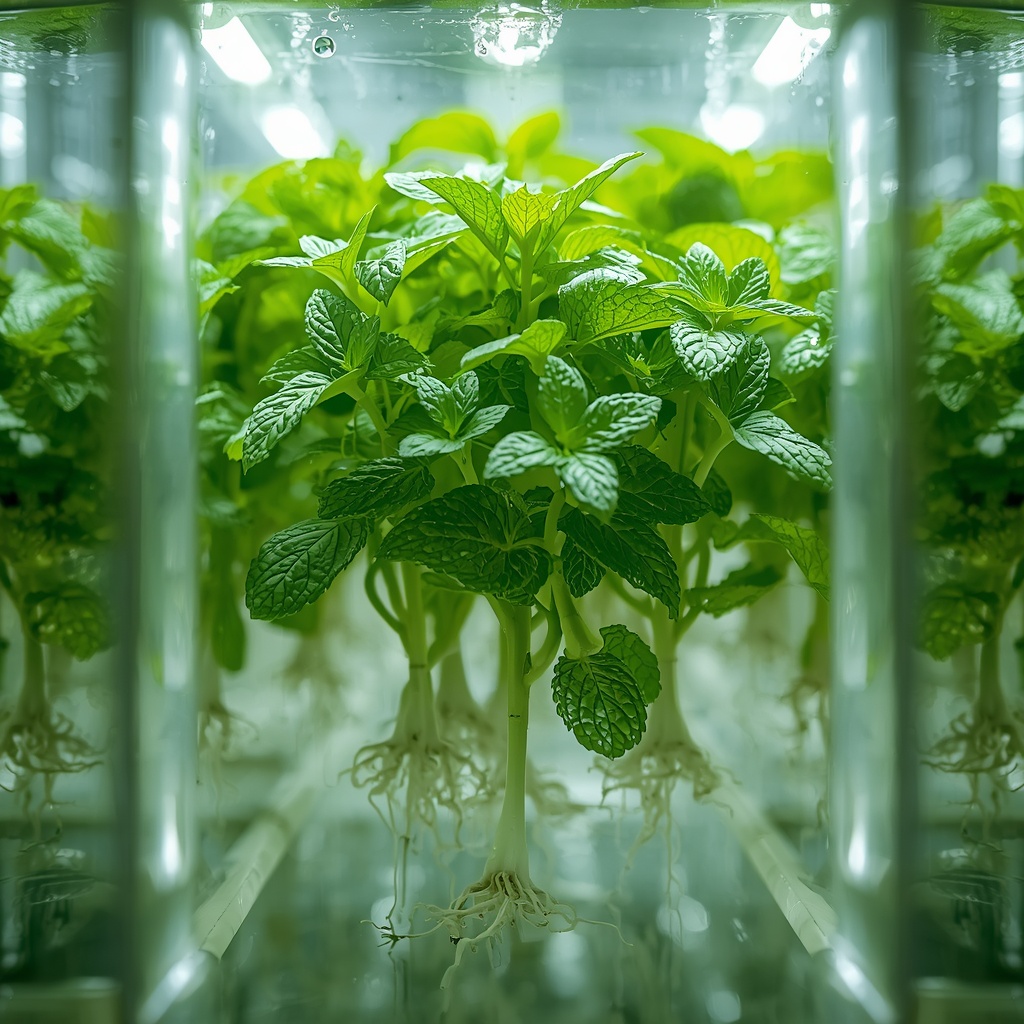
Mint brings a cool, strong flavor to tea, fruit, and savory dishes. A few fresh leaves can change the taste of a drink or plate, so a small plant can be useful in a home kitchen. Mint is a culinary herb rather than a vegetable, but it earns a place among practical edible crops.
Its vigorous growth can make it a poor neighbor for slower plants in a shared space. Give it room to spread, or keep it in a separate growing opening. A grower can pick leaves as needed without removing the whole plant. This makes mint appealing when the goal is a steady supply of fresh flavor.
Bok choy for crisp stems and leaves
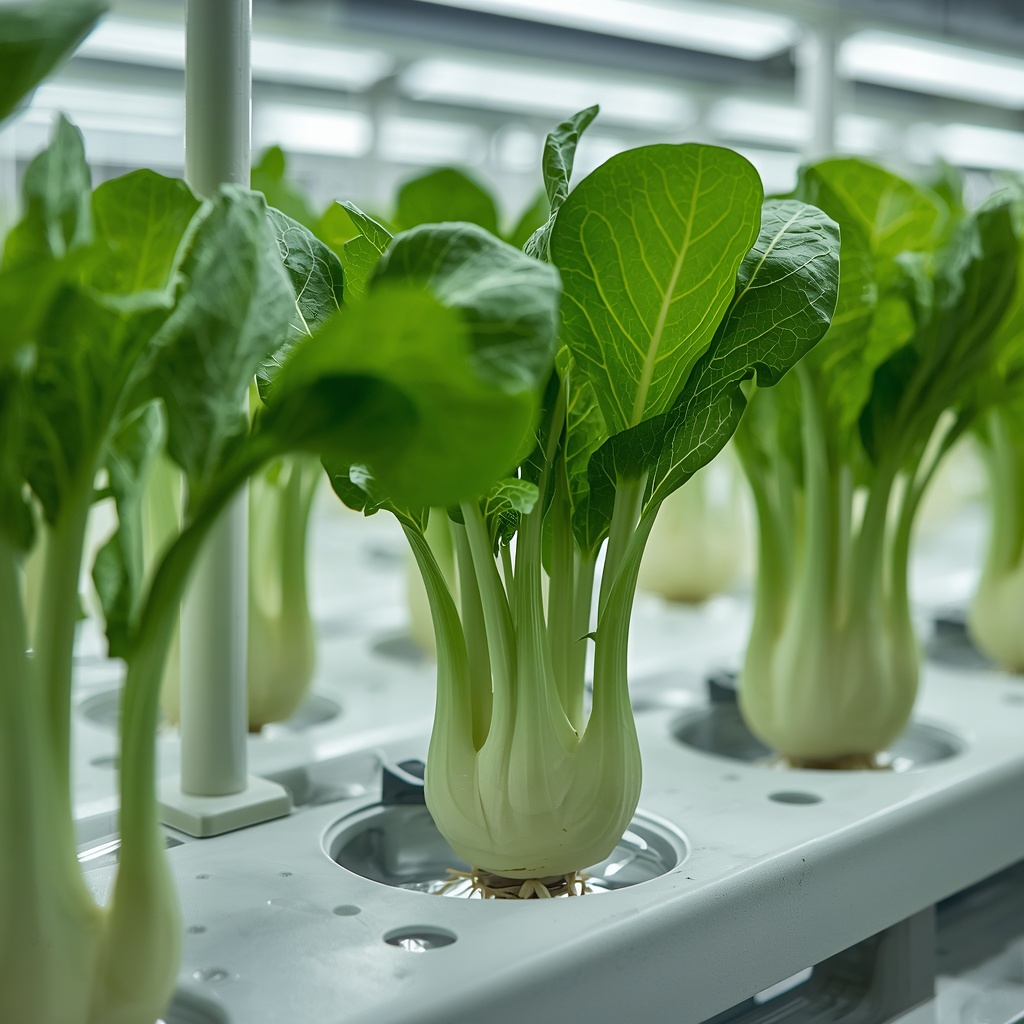
Leave enough space for the plant’s outer leaves to open without pressing against its neighbors. Small varieties may suit limited systems better than larger types. Keep the base stable so the plant can hold its shape as it grows. Its sturdy stems also make it easy to recognize when a crop is ready for the kitchen.
Bok choy offers pale, crisp stems and dark leaves for stir-fries, soups, and noodle dishes. The mix of textures makes it especially useful when a cook wants a fresh vegetable with both tender leaves and a firm bite. It can grow in a compact form, depending on the variety.
Choose a crop whose flavor and form will earn a regular place in the kitchen. A plant that fits familiar meals is easier to tend and enjoy.
For beginners, good plants for hydroponics beginners are those that fit the system, available light, and the cook’s habits. A crop can grow hydroponically without being a good fit for every hydroponic garden. Choose the crop whose flavor and form will earn a regular place in the kitchen.
What Grows the Fastest in Hydroponics?
Green onions have the quickest listed first harvest, at about 21 days, while leafy crops such as spinach and kale take longer. Green onions and lettuce can reach a first harvest in about 21 days, though the actual pace depends on growing conditions. The first cut is not the same as a full mature crop.
These estimates give a useful sense of growth, not a fixed schedule. The approximate first-harvest ranges show how much the featured vegetables differ. Mint can reach its first harvest in 30-40 days, then provide continuous cuttings. Those later cuttings are not a promise that every plant will grow at the same rate.
| Crop | Approximate time to first hydroponic harvest | What is harvested |
|---|---|---|
| Green onions | About 21 days | Green tops |
| Lettuce | 21-30 days | Leaves |
| Basil | 25-30 days | Leaves and stems |
| Spinach | 35-45 days | Leaves |
| Kale | 50-60 days | Leaves |
Spinach and kale take longer because their first useful leaves develop over a longer span. The figures describe a first hydroponic harvest, not a finished plant or a large meal-sized yield. Seed type, light, temperature, and care can shape growth, so a plant may fall outside the estimate.
Harvesting a few leaves also differs from taking a whole plant. A small cut can leave the growing point intact, while a full harvest ends that plant’s current growth. Treat every timeline as a first-harvest guide, not a promise of a complete mature crop.
What Grows Well in a Hydroponic Tower?
A hydroponic tower is most naturally suited to leafy greens that can thrive without deep root systems. Lettuce, spinach, kale, and arugula are clear examples because their roots need less depth than many large crops. Their upright growth can make good use of a tower’s vertical space.
A tower gives a small footprint more planting openings by stacking plants vertically. That can help gardeners grow several leafy crops where a wide bench would not fit. Each opening still needs to hold the plant securely and provide a path for roots to reach water and nutrients.
Sprawling plants may crowd neighboring openings, while heavy crops can need more support than a tower provides. A tall stem or broad canopy can also block light from nearby plants. The vertical layout saves floor space, but it does not remove limits on root room, airflow, or mature size.
Arugula and lettuce can form useful leaves without the deep root space required by some larger plants. Spinach and kale also suit towers when their mature leaves have room to spread. Before planting, check that each opening gives a mature plant enough room for leaves and airflow.
Which Hydroponic System Fits Each Crop?
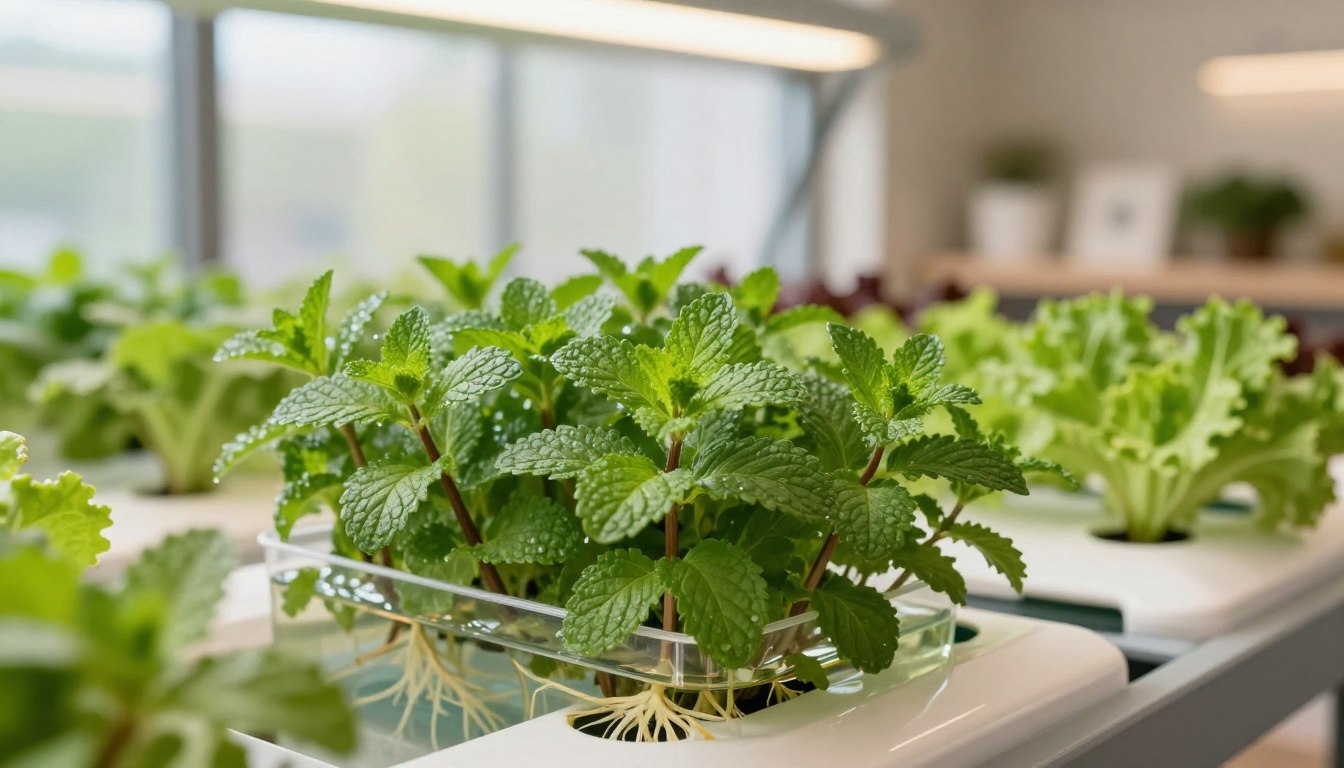
The right system depends first on the crop’s roots, mature size, and need for physical support. NFT and deep water culture suit many leafy greens, while drip systems can support larger crops. Water delivery matters, but so do root space and the plant’s weight.
Nutrient film technique (NFT) sends a thin stream of nutrient solution along a channel beneath the roots. Deep water culture (DWC) holds roots in a raft above an aerated reservoir. Drip systems feed solution to each plant through small outlets, while ebb-and-flow systems periodically flood and drain a growing tray.
Shallow-rooted greens in channels or floating rafts
Lettuce suits NFT because its roots can grow along a shallow channel while solution flows past them. DWC can also suit leafy crops, with roots hanging from a raft into the reservoir. Ebb-and-flow trays offer another route for leafy plants when the tray gives roots room to spread.
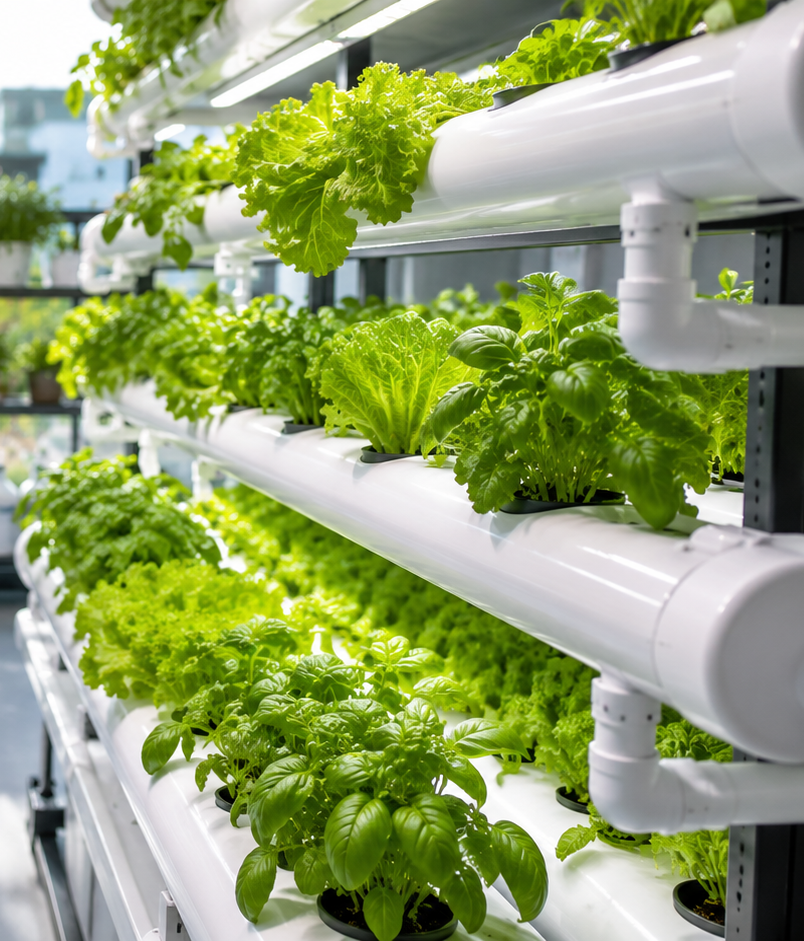
These methods differ in how they move water, but each needs a clear path from reservoir to roots. A channel can limit space for roots, and a raft needs a reservoir large enough to hold its plants. The growing method should suit the crop’s mature form, not only its seedling size.
Vining crops in supported drip setups
Tomatoes and cucumbers can grow in drip systems, where each plant receives solution at its base. The setup can use a growing medium to hold the roots and help keep a tall or vining plant steady. Stems may need a separate stake or trellis as their size increases.
Drip delivery does not replace physical support. The plant’s roots need enough room, and stems need a structure that can carry their weight. DWC and ebb-and-flow can work for leafy crops, but larger plants need a setup built around their greater demands.
| System | Suitable example or crop group | Practical constraint |
|---|---|---|
| NFT | Lettuce | Shallow channel limits root space |
| Drip | Tomatoes | Stems need added support |
| Drip | Cucumbers | Vines need room to spread |
| DWC or ebb-and-flow | Leafy crops | Roots need open water access |
System choice shapes how roots meet water, but a plant also needs enough space and support to reach its mature size. Match the growing method to the plant’s mature form rather than choosing by system name alone.
What Does a Home Hydroponic Setup Need?

A workable home setup needs a reservoir, a reliable way to deliver its solution, and enough light for the chosen crop. Roots need steady access to water and dissolved nutrients, while leaves need light for growth. The equipment can be simple, but its parts must work together.
A hydroponic system supplies plant roots with water and dissolved nutrients instead of soil. Common home hydroponic systems include a reservoir, a growing channel or raft, and a way to move or deliver the solution. A pump, air stone, or gravity-fed path may serve that purpose, depending on the setup.
A stable reservoir and circulation path
The reservoir holds nutrient solution for the plants. It should sit on a level surface that can bear its filled weight, with enough room to reach its lid or opening. Circulation keeps the solution moving where the system requires it.
Some features add ease rather than basic function. A water-level alert or timer can help with regular checks, but neither replaces a working delivery path. A simple system still needs a clear route for solution to reach every plant’s roots.
Suitable light and a sensible location
Light affects how well plants grow, so place the system where the chosen crop can receive enough. A window may provide useful light, while an indoor grow light can help in a dim room. The location should also allow access for filling, cleaning, and harvesting.
Keep the setup away from walkways where a cord, reservoir, or channel could be knocked. A calm, easy-to-reach spot makes routine care less awkward. Before adding seedlings, check that the light reaches the full growing area.
Space for mature plants and supports
A seedling can look small beside its future canopy. Larger fruiting plants need more room and support than compact greens, so the system must allow for their mature stems, leaves, and roots. Crowding can limit airflow and make harvesting harder.
- Set the reservoir on a stable, level surface.
- Check that solution can circulate without blocked tubing or channels.
- Provide light that suits the chosen crop.
- Leave room for mature leaves, roots, and plant supports.
The list covers core needs, not optional convenience features. A pump timer, water alert, or tidy cable holder may make care easier, but the system can function without them. Test the circulation path with water before seedlings depend on it.
Give Your First Hydroponic Garden the Right Start
A successful indoor harvest begins with a setup that suits your space and the plants you want to grow. From compact hydroponic kits and indoor grow lights to nutrient solutions and pH testing tools, the right equipment can make everyday growing easier to manage.
You don’t need a complicated system to begin. Start with the essentials, choose equipment that fits your growing space, and make room for fresh greens at home.
As an Amazon Associate, Silphora earns from qualifying purchases
What pH and Nutrients Do Beginner Crops Need?
Most beginner hydroponic crops use nutrients effectively when the solution stays within a slightly acidic pH range. A pH of 5.5-6.5 is a general starting range, while green beans prefer 6.0-6.5. The right pH helps roots take up dissolved nutrients.
pH measures how acidic or alkaline the nutrient solution is. When the value moves beyond a crop’s useful range, roots may not take up nutrients well, even when those minerals are present. A meter or test kit helps a grower track the solution rather than rely on appearance alone.
Electrical conductivity, or EC, measures the concentration of dissolved salts in the water. It is not the same as pH: pH describes acidity, while EC gives a reading of dissolved salts. Both measures can help explain how a nutrient solution is changing.
Follow the nutrient product’s directions for the crop, since products can call for different mixes. Do not assume that a reading for one vegetable suits another. Keep the general pH range for beginner crops in view, and use the green-bean range when growing that crop.
Recording readings helps reveal patterns rather than leaving adjustments to guesswork. Note the crop, date, pH, and EC together when possible. Record each reading beside the crop name so adjustments remain deliberate.
How Often Should a Hydroponic System Be Maintained?
A short weekly check and a full solution change every 7-14 days give a beginner a clear maintenance baseline. Check the nutrient solution weekly and replace it on the stated schedule. Product directions and crop load can affect the routine.
A regular look at the reservoir can catch changes before they affect plant growth. Check the solution level and the equipment’s operation during the weekly review. Record what was checked, so a missed task does not blend into the next week.
| Task | Cadence | Reason |
|---|---|---|
| Check nutrient solution | Weekly | Track solution and system condition |
| Replace full solution | Every 7-14 days | Refresh the supply of water and nutrients |
| Clean reservoir and equipment | When replacing solution | Clear residue from system parts |
Topping off water can restore a low reservoir, but it does not replace a full solution change. Plants take up water and nutrients at different rates, so adding water alone does not reset the balance of the remaining solution. Crop load and product directions can shape how often a grower needs to review the system.
Cleaning the reservoir and equipment during a solution change can remove residue from surfaces that touch the water. Keep the routine manageable, and avoid skipping the full change just because the reservoir still looks clear. Keep a dated record of solution changes to avoid relying on memory.
How Should Hydroponic Crops Be Harvested?
A careful cut can turn a single leafy plant into several small harvests rather than one. Cut-and-come-again harvesting suits crops that can regrow, while some plants are best taken whole. The right method depends on where new growth forms.
Leafy crops and herbs can often supply small amounts while the rest of the plant stays in place. A grower can remove outer leaves and leave the center growing point undisturbed. Crops that do not regrow well after cutting may be better harvested as whole plants.
Basil stems can be cut just above a leaf node, the point where leaves meet the stem. New branches can grow from that spot, giving the plant a fuller shape. Taking only the needed stems also keeps more leaves available for later dishes.
Green onions offer a practical regrowth exception for cooks using store-bought produce. Leave 1-2 inches at the bottom, including the roots, and place the root end in water so new green tops can grow. This method uses the rooted base rather than a full plant grown from seed.
- Use cut-and-come-again harvesting for leafy crops that regrow.
- Cut basil above a leaf node to encourage branching.
- Keep 1-2 inches of green-onion root end for regrowth.
- Harvest crops whole when cutting will not support further growth.
Clean scissors make a neater cut than tearing tender stems by hand. Leave the central growing point intact when the crop can regrow.
Which Fruiting Crops Can a Home Hydroponic Garden Support?
Fruiting crops can grow hydroponically, but they usually ask more of a home setup than compact leafy plants do. Tomatoes, cucumbers, peppers, and strawberries are edible options for a home system. Their larger canopies, flowers, or fruit can call for more light, space, and care.
Leafy vegetables can produce useful leaves without the same support needs as many fruiting plants. By contrast, a crop must flower and set fruit before it provides the harvest its name promises. A home grower should plan for those extra stages before planting.
- Tomatoes need room for stems and benefit from stakes or trellises as they grow.
- Cucumbers produce spreading vines that need space and a support plan.
- Peppers need light and room for their branches and fruit.
- Strawberries need space for leaves and developing berries.
Light must reach the leaves that support flowers and fruit. The system also needs enough room for roots, stems, and harvest access. In a tight indoor spot, a large plant can shade nearby crops or make daily care difficult.
A broad list of 50 best hydroponic plants to grow would include leafy crops, herbs, fruiting vegetables, berries, and edible flowers. This article focuses on seven accessible starts because those choices can fit a beginner’s home garden more readily. The wider range still depends on what the space and equipment can support.
Tomato plants benefit from stakes or trellises as they grow. Support can keep fruit-bearing stems upright and make the plant easier to manage. Start a fruiting crop only after confirming that its mature canopy and supports fit the available space.
Why Can Tomatoes Be Difficult in NFT Systems?
Tomatoes are a difficult fit for NFT when their roots and support needs outgrow what the channel can comfortably accommodate. The challenge is the combination of tomato roots and heavy, fruit-bearing stems. That mismatch makes NFT harder to manage than a supported growing setup.
NFT moves a shallow stream of solution through a channel, which works well for crops with smaller root systems. A tomato plant can develop more roots and a larger structure than the channel easily holds. Its stems also need support as the plant grows and carries fruit.

This problem is specific to the fit between the crop and system. It does not mean tomatoes cannot be grown hydroponically. A system with more room for roots and a sturdy way to support stems can suit the crop better.
When selecting a system, consider where roots will spread and how the plant will stay upright. A channel that works for lettuce may not suit a large tomato plant. Choose a system that can support both the plant’s roots and its fruit-bearing stems.
Which Plants Are Difficult to Grow Hydroponically?
Corn and underground root crops are among the most demanding choices for a small hydroponic garden. Corn needs space and support, while carrots, potatoes, and beets need room for underground growth. These plants can be difficult in particular home systems, not impossible in every hydroponic setting.
Corn grows tall, needs substantial space and support, and has high nutrient demands. A small indoor system may struggle to hold its structure and meet its needs. Its size can become a greater problem as the plant grows beyond the seedling stage.
| Crop or group | Main constraint | Likely growing problem | Home-garden verdict |
|---|---|---|---|
| Corn | Height, support, and nutrient demand | Space and structure become difficult | Demanding in small setups |
| Carrots, potatoes, beets | Limited root space | Stunted or misshapen produce | Needs room below the plant |
| Tomatoes in NFT | Roots and support needs | Channel and plant size mismatch | Difficult fit for NFT |
Carrots, potatoes, and beets form edible parts below the growing surface. Limited root room can leave the produce stunted or misshapen. A channel built for leafy crops may not provide enough space for that underground growth.
Tomatoes in NFT can be difficult for a different reason: the plant’s roots and support needs may exceed what the channel can handle. That does not rule out tomatoes in every hydroponic system. Each example shows how a crop’s structure can challenge a small setup in a different way.
A plant’s seedling size offers a poor guide to its needs later in the season. Check the mature root space and aboveground structure before choosing a crop. Choose a crop with room for its mature roots and structure, not just its seedling size.
What Are the Downsides of Hydroponics?
Hydroponics offers close control over water and nutrients, but a shared solution can also carry plant disease through a system. Recirculating nutrient solution can spread waterborne pathogens from one affected plant to others. Equipment dependence and limited root space also shape what a home grower can manage.
Fusarium, Pythium, and Phytophthora can spread through recirculating nutrient solution. In a shared system, water may carry a problem from one plant toward others. Clean growing parts and careful monitoring matter because the solution connects the plants.
Hydroponic systems also rely on equipment to deliver water and nutrients. A stopped pump or blocked path can interrupt that supply. Limited root space can narrow the crop choices, while regular checks ask for time and attention.
Careful prevention helps keep the growing area clean. The risk from waterborne plant pathogens makes clean tools and equipment a useful part of routine care. Do not move dirty tools between plants without cleaning them first.
- Use clean tools when handling plants.
- Remove affected plant material promptly.
- Keep the reservoir and channels clean.
Hydroponics can make growing more controlled, but it does not remove the need for observation. A clean system can reduce avoidable risk without guaranteeing that plants stay healthy. Treat clean water pathways as part of plant care, not as an optional extra.
How Can Common Hydroponic Problems Be Troubleshot?
When a plant changes color or loses vigor, check the growing conditions before adding more fertilizer. Start with the sign you can see, then check one likely cause. A measured change makes it easier to learn what helps.
Yellow leaves can point to a nutrient or pH problem, while weak growth may reflect light or crowding. Wilting can signal an issue with solution delivery or root condition. A single sign does not prove one cause, so check the system before making a large change.
| Visible sign | First checks | Low-risk next step |
|---|---|---|
| Yellowing leaves | Nutrient solution and pH readings | Check readings before changing the mix |
| Weak or leggy growth | Light level and plant spacing | Improve light access or reduce crowding |
| Wilting | Solution delivery and root condition | Restore flow and inspect roots gently |
A reading or equipment check can narrow the cause without changing several parts of the system. Look for blocked tubing, a loose connection, or crowded leaves before making a big adjustment. If the plant still looks weak, compare its condition after the first change.
Changing several factors at once makes it hard to know which one mattered. Adjust one factor, then watch for a response before trying another. Write down the symptom and the one adjustment made so the next check has a clear comparison.
How Can Succession Planting Keep Harvests Coming?
A succession of small plantings can provide a steadier supply than filling every growing space on one day. Sow the same crop in separate batches so plants reach useful size at different times. Lettuce works well for this approach, as do other quick leafy crops.
Succession planting means starting a new batch while an earlier one is still growing. Instead of sowing all the seeds together, a gardener spreads planting over several dates. That can make fresh leaves available more regularly for salads and meals.
For recurring lettuce harvests, plant a new batch every 1-2 weeks. The interval can help stagger growth, though each batch still needs a place in the system. A small setup may not hold every stage at once.
Pod space or planting openings limit how many batches can overlap. A grower can start another set when an older plant leaves enough room, rather than crowding seedlings into a full system. Keep the sowing dates visible so growing space stays planned.
A simple calendar can note the crop, planting date, and open spots. That record helps a home garden produce in smaller waves instead of one large flush. Keep a simple sowing calendar so each new batch has an open place to grow.
Which Crops Suit a Small Hydroponic Garden?
In a small indoor garden, a plant’s mature size matters more than how tiny it looks as a seedling. Compact herbs and greens are the clearest starting choices for a small hydroponic system. Root room and support needs also shape whether a plant fits.
A small footprint can still support useful harvests when the crop suits the available openings. Compact plants are easier to place than tall or sprawling varieties. The best fit depends on mature dimensions, root space, and whether the plant needs a trellis.
- Compact culinary herbs, such as parsley and chives.
- Microgreens, harvested while plants are young.
- Dwarf leafy varieties with smaller mature growth.
- Compact bush beans that need less vine support.
Parsley and chives can bring fresh flavor to familiar dishes without a broad canopy. Microgreens make use of shallow growing trays, while dwarf leafy crops can fit spaces that larger varieties would outgrow. Compact bush beans may still need more room than herbs or greens.
A plant that needs a trellis must have space for both its support and its stems. Roots also need room below the leaves, even when the plant stays short. If balcony growing is another option, this small-space balcony vegetable guide covers crops suited to limited outdoor space.
Choose a plant for the room it will occupy at maturity, not the space it takes as a seedling. A compact crop can make better use of a small system.
Compact culinary herbs and greens are the most straightforward choices when space is tight. Check the mature plant dimensions before assigning a permanent spot.
Conclusion
A first hydroponic harvest begins with one well-matched plant and a growing space that can support it. Compact leafy crops and herbs make a sensible first experiment because they fit many home setups. Larger fruiting crops call for more room and attention.
You do not need to choose a particular system before making a useful first move. Look at the meals you cook, the light in your home, and the space available for a plant to mature. A small start can teach you how your room and routine support growth.
Choose one beginner-friendly crop, set aside a place to grow it, and record how it responds.


