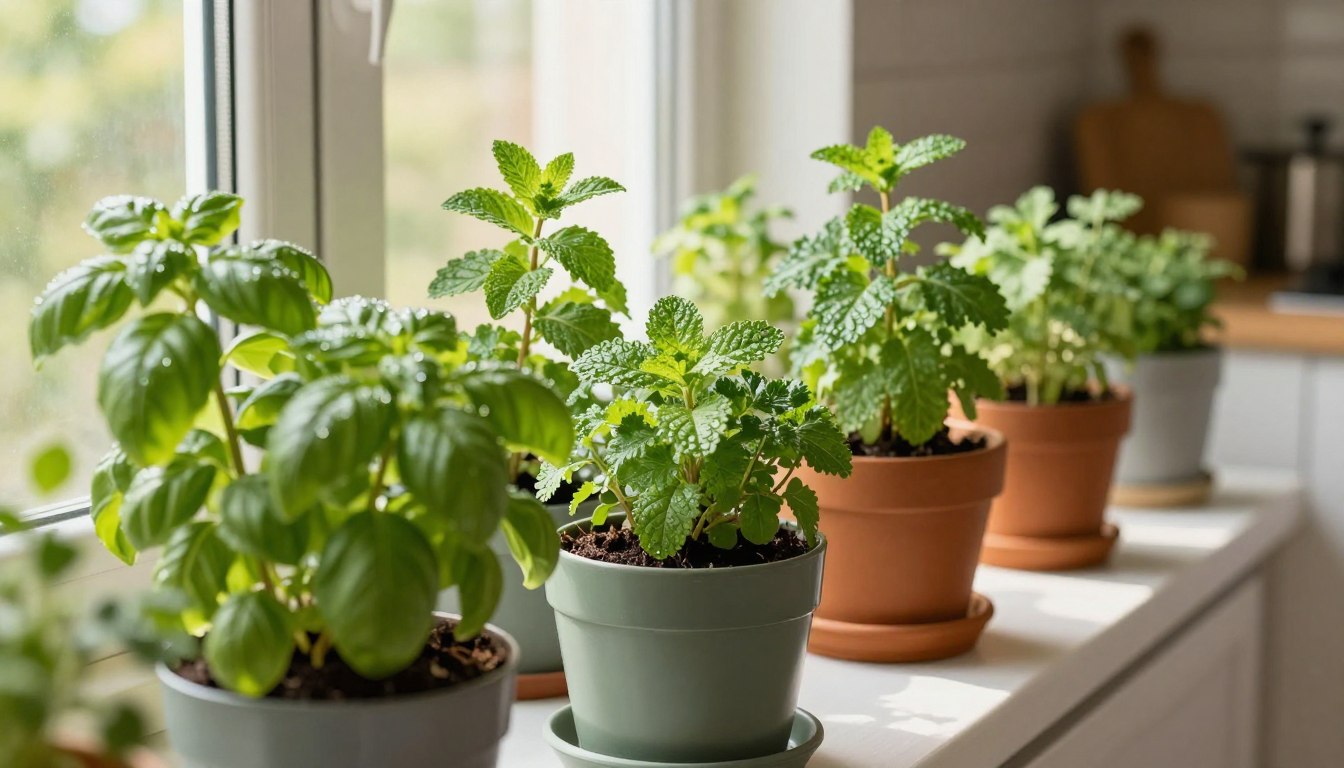
Imagine stepping into your kitchen and plucking vibrant, aromatic leaves for your favorite recipes. Starting a small garden inside your home is a rewarding journey that brings nature right to your countertop. You no longer need to rely on store-bought plastic containers that lose their zest within days.
By cultivating your own plants, you bypass seasonal limitations and ensure a constant supply of fresh culinary herbs. This practice transforms your daily cooking into a professional experience with minimal effort. It is truly an accessible way to elevate every meal you prepare.
We will guide you through the best varieties that thrive in small spaces. These beginner-friendly selections are perfect for anyone looking to add life to their living area. Learning how to manage these plants will provide you with a sustainable source of flavor all year long.
Key Takeaways
- Indoor gardening allows you to enjoy vibrant flavors regardless of the season.
- Growing your own greens is a cost-effective way to enhance your kitchen experience.
- Select beginner-friendly plant varieties that adapt well to limited sunlight.
- Consistent care ensures your plants remain healthy and productive throughout the year.
- Small pots and containers make it simple to start a garden in any apartment or house.
The Benefits of Maintaining an Indoor Herb Garden
Bringing the garden inside offers a unique blend of culinary convenience and personal wellness. Whether you are a seasoned chef or a beginner in the kitchen, starting an indoor herb garden provides immediate access to vibrant flavors that store-bought options simply cannot match.
Year-Round Access to Culinary Freshness
One of the greatest advantages of this hobby is the ability to grow herbs year round, regardless of the weather outside. You no longer need to rely on expensive, wilted plastic clamshells from the grocery store.
Instead, you can snip exactly what you need for your favorite recipes right from your windowsill. Exploring diverse culinary herb uses becomes much easier when you have a constant supply of fresh basil, cilantro, or rosemary at your fingertips.
The Therapeutic Value of Indoor Gardening
Beyond the kitchen, nurturing living plants provides a therapeutic escape from the stresses of daily life. Tending to your greenery offers a quiet moment of mindfulness that helps ground your energy after a long day.
Many people find that the simple act of watering and pruning their plants creates a peaceful connection to nature. This rewarding lifestyle choice turns your home into a sanctuary of growth and tranquility.
Improving Indoor Air Quality with Living Plants
An indoor herb garden does more than just provide flavor; it also enhances the atmosphere of your living space. Plants act as natural filters, contributing to better indoor air quality while serving as beautiful, functional decor.
Integrating these living elements into your kitchen design adds a touch of life to any room. By choosing to grow herbs year round, you are investing in a healthier home environment and expanding your culinary herb uses in a sustainable, cost-effective way.
Essential Supplies for Your Indoor Herb Setup
Preparing your space with the right supplies is the secret to growing healthy, vibrant herbs all year. A high-quality indoor herb planter serves as the foundation for your botanical project. By investing in the correct gear early on, you ensure that your plants have the best chance to thrive in a home environment.
Selecting the Right Containers and Pots
The most critical feature to look for when shopping for pots is proper drainage. Without adequate drainage for pots, water collects at the bottom, which often leads to root rot and plant death. Always choose containers that have holes at the base to allow excess moisture to escape.
Material choice also plays a significant role in plant health. Terracotta pots are excellent because they are porous and allow the soil to breathe. Plastic or glazed ceramic pots retain moisture longer, which might be better if you tend to forget your watering schedule.
Choosing Quality Potting Mixes for Herbs
Standard garden soil is usually too heavy and dense for indoor containers. You should always opt for a high-quality, sterile potting mix designed specifically for indoor use. These blends are lightweight, which promotes better airflow around the roots.
Look for mixes that contain perlite or vermiculite to improve aeration. A good potting medium provides the necessary structure for roots to expand while holding just enough moisture to keep your herbs hydrated between waterings.
Necessary Tools for Maintenance and Care
For those just starting, a pre-packaged herb growing kit can simplify the entire process. These kits often include everything you need, such as seeds, soil, and containers with built-in reservoirs. If you prefer to build your own setup, you will need a few basic hand tools.
Sharp pruning shears are essential for harvesting and encouraging bushier growth. Additionally, you should keep a small watering can with a narrow spout to reach the base of the plants without wetting the leaves. Finally, remember that fertilizing herbs is vital for long-term productivity, so keep a balanced liquid fertilizer on hand.
| Container Type | Best For | Drainage Level |
|---|---|---|
| Terracotta | Herbs preferring dry soil | High |
| Glazed Ceramic | Moisture-loving herbs | Low to Medium |
| Plastic/Resin | Beginners/Self-watering | Adjustable |
| Fabric Pots | Root health/Aeration | Excellent |
Selecting the Best Easy Herbs to Grow Indoors
Starting your indoor garden journey is much easier when you choose the right plants. Focusing on easy herbs to grow indoors allows you to build confidence while ensuring a steady supply of fresh ingredients for your kitchen. By selecting resilient varieties, you minimize the risk of common gardening frustrations.
Basil: The King of Indoor Herbs
Basil is widely considered one of the best herbs for beginners due to its rapid growth and aromatic leaves. This plant thrives in warm, sunny spots and loves consistent moisture. Always remember to pinch off the top sets of leaves to encourage a bushier, more productive plant.
Mint: A Hardy and Versatile Choice
Mint is incredibly vigorous and adapts well to various indoor conditions. Because it spreads quickly, it is best to give mint its own dedicated container to prevent it from crowding out other plants. Its refreshing scent and culinary uses make it a must-have for any home gardener.
“The secret to a thriving indoor garden is not just the light, but the love and attention you give to each individual pot.”
Chives: Perfect for Small Spaces
If you are limited on counter space, chives are an excellent solution. They grow in tight clumps and require very little maintenance to stay healthy. You can simply snip the tops as needed, and they will continue to regrow throughout the season.
Parsley: A Reliable Kitchen Staple
Parsley is a classic herb that adds a fresh, clean flavor to almost any dish. While it grows a bit slower than basil, it is highly reliable and rarely suffers from major issues. Maintaining good airflow around your plants is a simple way to practice effective indoor pest control and keep your garden thriving.
- Basil: Needs plenty of sunlight and regular pruning.
- Mint: Keep in a separate pot to manage its growth.
- Chives: Ideal for windowsills and small containers.
- Parsley: Prefers consistent moisture and bright, indirect light.
Optimizing Light Conditions for Thriving Herbs
Providing the right amount of light is the most critical factor in growing healthy, aromatic herbs indoors. When plants do not receive enough energy, they often become leggy, weak, and prone to disease. By following these indoor gardening tips, you can ensure your herbs receive the energy they need to produce intense, aromatic flavors.
Identifying the Best Windows for Sunlight
The location of your pots is the first step in meeting the sunlight requirements of your plants. South-facing windows are generally the best choice in the United States, as they provide the most consistent and intense light throughout the day. West-facing windows are a solid secondary option, offering warm afternoon sun that many herbs love.
If you only have north-facing windows, you may find that your plants struggle to grow quickly. In these cases, you might need to focus on shade-tolerant varieties or rely on artificial light. Always observe how the light moves across your room to find the brightest spot available.
“Light is the architect of the garden; without it, even the most fertile soil cannot produce a harvest.”
Using Supplemental Grow Lights for Darker Spaces
Sometimes, natural light simply isn’t enough, especially during cloudy months or in apartments with limited window access. Full-spectrum LED grow lights are a game-changer for modern indoor gardening. These lights mimic the natural sun, providing the specific wavelengths that plants need for photosynthesis.
You should aim to keep your grow lights on for about 10 to 12 hours a day. Placing the lights a few inches above the foliage prevents the plants from stretching toward the source. This simple adjustment helps maintain a compact and bushy shape.
Adjusting Light Exposure Based on Seasonal Changes
As the seasons shift, the angle and intensity of the sun change significantly. During the winter, the days are shorter and the light is much weaker. You may need to move your plants closer to the glass or increase the duration of your supplemental lighting to compensate.
Conversely, during the peak of summer, some delicate herbs might need protection from harsh, direct midday sun. Using a sheer curtain can help filter the light and prevent leaf scorch. Staying flexible with your setup ensures your garden remains productive all year long.
| Herb Variety | Light Preference | Daily Hours Needed |
|---|---|---|
| Basil | Full Sun | 8-10 Hours |
| Mint | Partial Shade | 4-6 Hours |
| Chives | Full Sun | 6-8 Hours |
| Parsley | Partial Sun | 6-8 Hours |
Mastering Watering Techniques for Container Herbs
Watering your indoor herbs correctly is the secret to a thriving kitchen garden. Many beginners accidentally harm their plants by providing too much water, which can lead to root decay. Learning the right indoor gardening tips will help you maintain a healthy balance and keep your herbs vibrant all year long.
Recognizing Signs of Overwatering and Underwatering
Plants often communicate their needs through physical changes in their leaves and stems. By observing these subtle cues, you can adjust your care routine before the plant suffers permanent damage.
- Overwatering: Look for yellowing leaves, a mushy stem base, or a persistent musty smell coming from the soil.
- Underwatering: Watch for drooping, crispy leaf edges, or soil that has pulled away from the sides of the pot.
Establishing a Consistent Watering Schedule
Consistency is vital when watering indoor herbs, but it does not mean following a rigid calendar. Instead, you should check the moisture level of the soil by inserting your finger about an inch deep into the pot.
If the soil feels dry to the touch, it is time to hydrate your plants. If it still feels damp, wait another day or two. This simple method prevents the common pitfalls associated with automated schedules that ignore environmental changes.
The Importance of Water Quality for Sensitive Herbs
The type of water you use can significantly impact the health of your indoor garden. Many herbs are sensitive to the high levels of chlorine or fluoride found in standard tap water.
To ensure your plants thrive, consider letting your tap water sit in an open container for 24 hours before use. This allows chemicals to evaporate, creating a gentler environment for your herbs. Always use water that is at room temperature to avoid shocking the root systems of your delicate plants.
Choosing the Right Soil and Drainage Solutions
Your success with an indoor herb planter depends entirely on the foundation you provide for your plants. While it is tempting to use soil from your backyard, this often leads to compacted earth that suffocates delicate roots. Instead, choosing the right medium ensures your herbs have the nutrients and space they need to flourish.

Why Drainage Holes are Non-Negotiable
Every container you select must feature adequate drainage for pots to allow excess moisture to escape. Without these holes, water collects at the bottom of the container, creating a swampy environment that invites decay. Stagnant water is the primary enemy of healthy indoor herbs.
If your favorite decorative pot lacks holes, consider using a plastic nursery liner inside it. This allows you to remove the plant for easier maintenance. Proper drainage ensures that your watering indoor herbs routine does not accidentally drown your greenery.
Creating Custom Soil Blends for Different Herb Varieties
Most herbs thrive in a light, well-draining potting mix rather than heavy garden soil. You can create a custom blend by mixing standard potting soil with perlite or coarse sand. This combination improves structure and prevents the soil from becoming too dense over time.
- Mediterranean herbs like rosemary and thyme prefer a grittier, faster-draining mix.
- Moisture-loving herbs like parsley and mint benefit from a bit more peat moss or coconut coir.
- Always ensure your mix is sterile to avoid introducing unwanted pests or diseases into your home.
Preventing Root Rot through Proper Aeration
Root rot occurs when roots are deprived of oxygen due to waterlogged soil. By incorporating airy materials like perlite, you create tiny pockets that allow roots to breathe. This simple step is vital for maintaining a healthy root system throughout the year.
| Soil Component | Primary Benefit | Best For |
|---|---|---|
| Perlite | Increases Aeration | All Herb Types |
| Peat Moss | Retains Moisture | Mint and Parsley |
| Coarse Sand | Improves Drainage | Rosemary and Thyme |
Temperature and Humidity Requirements for Indoor Growth
Your indoor herb garden requires a stable climate to thrive throughout the changing seasons. While you may focus heavily on sunlight requirements, the ambient air quality in your home plays an equally vital role in plant health. Creating a consistent microclimate helps your herbs remain productive and vibrant regardless of the weather outside.
Maintaining Ideal Temperatures for Herb Development
Most culinary herbs prefer temperatures between 65°F and 75°F to grow effectively. If your home stays within this range, your plants will likely flourish without much extra effort. Consistency is the secret to preventing stress, as rapid fluctuations can cause leaves to drop or growth to stall.
Managing Humidity Levels in Dry Indoor Environments
Indoor air often becomes excessively dry, especially during winter months when heating systems run constantly. You can boost local humidity by placing your pots on a tray filled with pebbles and a small amount of water. This simple method creates a moist microclimate around the foliage without soaking the roots.
Protecting Herbs from Drafts and Heating Vents
Direct airflow from heating vents or cold window drafts can quickly dehydrate delicate leaves. Always position your containers away from these high-stress zones to ensure the plants stay healthy. Even if your sunlight requirements are met, a plant placed directly in front of a heater will struggle to retain moisture.
| Herb Variety | Ideal Temp Range | Humidity Preference |
|---|---|---|
| Basil | 70°F – 80°F | Moderate to High |
| Mint | 65°F – 75°F | High |
| Parsley | 60°F – 70°F | Moderate |
| Chives | 60°F – 75°F | Moderate |
Pruning and Harvesting Strategies for Maximum Yield
Maintaining a productive indoor garden is a rewarding journey that allows you to grow herbs year round. While light and water are essential, regular pruning acts as the secret ingredient to keeping your plants compact and vibrant. By removing older stems, you encourage the plant to redirect its energy into new, flavorful foliage.

Techniques for Encouraging Bushier Growth
To achieve a lush, full appearance, you must master the art of pinching. Simply snip the top set of leaves off a stem just above a leaf node, which is the point where new branches emerge. This simple action forces the plant to grow two new stems instead of one, effectively doubling your future harvest.
Consistency is vital when you are fertilizing herbs to support this rapid development. Use a balanced, water-soluble fertilizer at half-strength every few weeks during the growing season. This provides the necessary nutrients to sustain the energy required for constant regrowth.
When and How to Harvest Without Harming the Plant
The best time for harvesting fresh herbs is in the morning after the dew has evaporated but before the heat of the day sets in. At this time, the essential oils are at their peak, ensuring the best flavor for your culinary creations. Always use clean, sharp scissors to make precise cuts, which helps prevent damage to the delicate stems.
A good rule of thumb is to never remove more than one-third of the plant at any single time. This ensures the herb has enough foliage remaining to continue photosynthesizing and recovering. Gentle harvesting keeps your plants happy and productive for many months.
Storing Freshly Cut Herbs for Later Use
If you find yourself with an abundance of greens, proper storage is essential to avoid waste. For soft-stemmed varieties like basil or parsley, place the stems in a glass of water like a bouquet and cover them loosely with a plastic bag. This method keeps them crisp in the refrigerator for several days.
For longer-term storage, consider freezing your herbs in ice cube trays filled with olive oil or water. This convenient technique preserves the flavor profile perfectly, allowing you to drop a pre-portioned cube directly into your soups or sauces whenever you need a burst of garden-fresh taste.
Common Pests and How to Manage Them Naturally
Managing pests is a natural part of the journey when growing your own herbs at home. Even when you choose the best herbs for beginners, small insects may occasionally find their way onto your plants. Staying observant allows you to catch these issues early before they impact your harvest.
Identifying Aphids and Fungus Gnats
Aphids are tiny, soft-bodied insects that often cluster on the undersides of leaves or near new growth. They feed on plant sap, which can cause leaves to curl or turn yellow over time. You might notice a sticky substance on your leaves, which is a clear sign of their presence.
Fungus gnats, on the other hand, look like tiny black flies hovering around your pots. They are usually attracted to moist soil and decaying organic matter. While the adults are mostly a nuisance, their larvae can damage delicate roots if left unchecked.
Safe Organic Remedies for Indoor Pest Control
Effective indoor pest control does not require harsh chemicals that could harm your kitchen environment. A simple mixture of mild dish soap and water often works wonders for aphids. Gently wipe the leaves or use a spray bottle to coat the affected areas thoroughly.
For more persistent issues, neem oil is a fantastic organic solution. It disrupts the life cycle of many common pests while remaining safe for your edible plants. Always follow the instructions on the label to ensure you apply it correctly for the best results.
Preventative Measures to Keep Your Garden Healthy
The best way to manage pests is to stop them before they start. Proper soil management is essential, as allowing the top inch of soil to dry out between waterings discourages fungus gnats. Good air circulation also prevents the humid conditions that many pests love.
Regularly inspect your plants for any signs of trouble. Keeping your growing area clean and removing dead leaves will help maintain a healthy, thriving environment for your herbs.
| Pest Type | Primary Sign | Management Strategy |
|---|---|---|
| Aphids | Sticky residue on leaves | Soap and water spray |
| Fungus Gnats | Small flies near soil | Allow soil to dry out |
| Spider Mites | Fine webbing on stems | Increase humidity levels |
Creative Ways to Incorporate Fresh Herbs into Your Cooking
Harvesting fresh herbs is just the beginning of a flavorful adventure in your own kitchen. Once you have gathered your bounty, you can experiment with various techniques to preserve and enhance the natural essence of your plants. These simple methods allow you to enjoy the vibrant tastes of your indoor garden throughout the entire year.
Infusing Oils and Vinegars with Garden Flavors
Infusing oils and vinegars is a fantastic way to capture the aromatic oils of your plants. By gently heating high-quality olive oil with sprigs of rosemary or thyme, you create a gourmet base for salad dressings and marinades. These infusions also make thoughtful, handmade gifts for friends and family.
“Cooking is like painting or writing a song. Just as there are only so many notes or colors, there are only so many flavors—it’s how you combine them that sets you apart.”
Creating Custom Herb Butters and Seasoning Blends
Exploring different culinary herb uses can lead to delicious discoveries like compound butters. Simply mix finely chopped parsley, chives, or basil into softened butter and roll it into a log for easy slicing. This simple addition can instantly elevate a piece of grilled steak or a warm loaf of crusty bread.
You can also dry your excess harvest to create custom seasoning blends. Combining dried oregano, thyme, and basil allows you to craft a signature Italian mix that tastes far superior to store-bought versions. These blends ensure that your fresh culinary herbs provide value long after the initial harvest.
Elevating Everyday Meals with Fresh Garnishes
The final touch for any dish is often the most important one. Using fresh culinary herbs as a garnish adds a pop of color and a burst of brightness to soups, pastas, and roasted vegetables. A light sprinkle of chopped chives or cilantro can turn a basic weeknight meal into a restaurant-quality experience.
- Top creamy soups with fresh dill or parsley for a professional finish.
- Add whole basil leaves to pasta dishes for a classic, aromatic touch.
- Use edible flowers or mint sprigs to decorate desserts and refreshing beverages.
By mastering these techniques, you will find that your indoor garden is an essential partner in your culinary success. Embracing these creative culinary herb uses helps you appreciate the true satisfaction of growing your own food. Every meal becomes an opportunity to showcase the vibrant flavors you have cultivated at home.
Conclusion
Growing your own greens transforms the way you experience food. An indoor herb garden brings vibrant life and unmatched flavor directly to your kitchen counter.
You might choose a simple pot or a complete herb growing kit to begin this process. Both options provide a path toward sustainable living and better meals. Your dedication to these plants creates a rewarding connection to nature inside your home.
Small spaces offer plenty of room for basil, mint, or chives to flourish. Every harvest adds a fresh touch to your favorite recipes. You gain confidence as you watch your plants grow from tiny seeds into lush ingredients.
Take the first step toward a greener lifestyle right now. Your kitchen deserves the bright colors and aromatic scents of a thriving indoor herb garden. Whether you pick a basic setup or a specialized herb growing kit, the results will impress your family and friends.