From African Landscapes to Modern Interiors: The Story of the Snake Plant
a snake plant does not look like a plant designed for comfort. Its leaves rise from the ground in rigid green blades…….
Opening Story
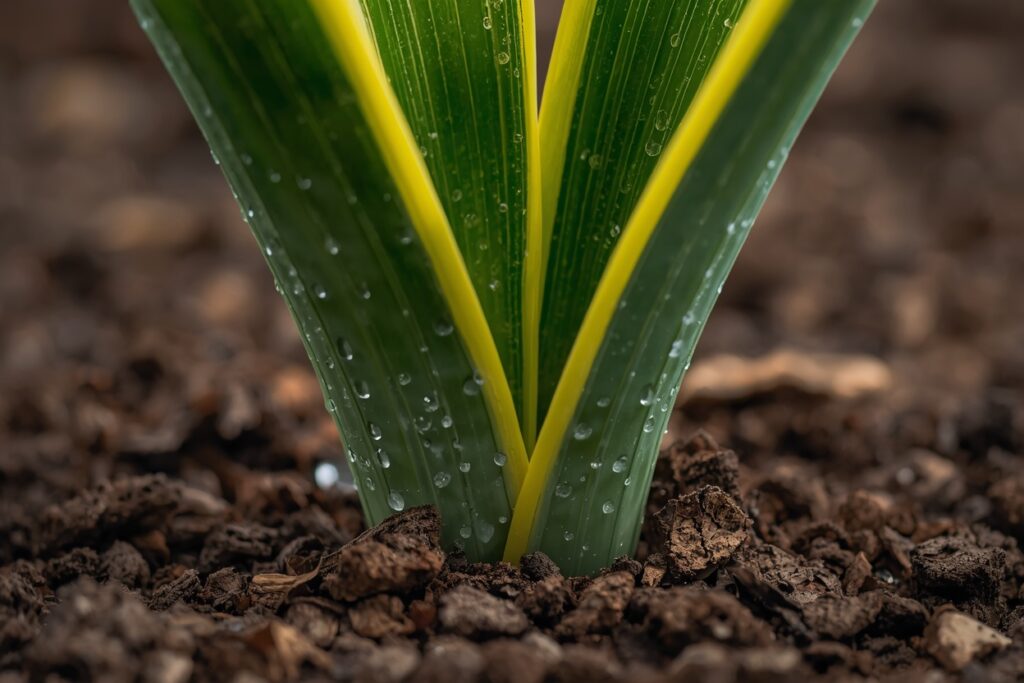
In the dry-season light of tropical West Africa, a snake plant does not look like a plant designed for comfort. Its leaves rise from the ground in rigid green blades, patterned in irregular bands and edged, in some cultivated forms, with yellow. Around it, the soil may be thin, the rain intermittent, and the vegetation interrupted by long stretches of sun-baked ground.
The plant’s answer to this difficult rhythm is written into its architecture. Its leaves are thick enough to store water. Its underground rhizomes creep through the soil, waiting for favourable conditions. Its leaf pores can open at night, when the air is cooler and less water is lost. It is not indestructible, but it is remarkably well prepared for neglect.
Centuries later and thousands of miles away, the same qualities make it a familiar presence in apartments, offices, hotel lobbies and shaded corners. The snake plant is often recommended as one of the easiest indoor plants, particularly for people who forget to water. Yet its popularity has sometimes flattened its story into a slogan: tough, modern, almost impossible to kill.
That description misses the more interesting truth. This is a plant shaped by seasonality, drought and careful water management. It has been classified under different names, cultivated for ornament and fibre, discussed in traditional medicine, and carried far beyond its native range. Its familiar former name, Sansevieria trifasciata, still appears on plant labels and in everyday conversation. Botanists now generally place it within the genus Dracaena, using the accepted name Dracaena trifasciata. powo.science.kew
Understanding snake plant care, then, is not simply a matter of memorising a watering schedule. It is an exercise in reading the landscape from which the plant came. Give it fast-draining soil, sufficient light, and time to dry, and you are not imposing an artificial routine. You are allowing an African dry-season specialist to continue living according to its own ancient logic.
Botanical Profile
| Feature | Information |
|---|---|
| Common name | Snake plant; mother-in-law’s tongue |
| Accepted scientific name | Dracaena trifasciata (Prain) Mabb. |
| Common former name | Sansevieria trifasciata |
| Family | Asparagaceae |
| Genus | Dracaena |
| Native range | From southern Nigeria to west-central tropical Africa; some taxonomic treatments also record a wider native range including Tanzania |
| Natural habitat | Seasonally dry tropical habitats, including open or disturbed areas and dry soils |
| Plant type | Evergreen, rhizomatous perennial herb |
| Growth habit | Upright basal rosettes or compact clumps |
| Mature size | Common forms may reach approximately 60–120 cm indoors; dwarf cultivars remain much shorter |
| USDA zones | Generally grown outdoors year-round in zones 10–12, depending on local conditions |
| Light | Bright, indirect light is ideal; tolerates low light but grows more slowly |
| Water | Allow the potting mix to dry substantially before watering again |
| Humidity | Average indoor humidity is normally adequate |
| Temperature | Warm household temperatures; protect from cold and frost |
| Soil | Fast-draining cactus, succulent or mineral-rich houseplant mix |
| Fertilizer | Light feeding during active growth; avoid heavy fertilisation |
| Propagation | Division, rhizome sections and leaf cuttings |
| Toxicity | Toxic to cats and dogs if ingested |
| Difficulty | Beginner-friendly |
| Lifespan | Potentially many years indoors with suitable care |
Kew lists Dracaena trifasciata as a rhizomatous geophyte native to seasonally dry tropical regions from southern Nigeria to west-central tropical Africa. A geophyte is a plant that survives unfavourable seasons through underground storage organs—in this case, rhizomes that help anchor the plant and produce new shoots. powo.science.kew
Safety Note
The ASPCA lists Dracaena plants as toxic to dogs and cats. Reported signs can include vomiting, depression, loss of appetite, drooling and, particularly in cats, dilated pupils. Keep the plant away from animals likely to chew it. If ingestion occurs, contact a veterinarian or an appropriate animal poison service. aspca
Traditional medicinal uses have been reported in ethnobotanical and pharmacological literature, but traditional use is not equivalent to proven clinical benefit. Laboratory findings do not establish that the plant treats disease, and the leaves or rhizomes should not be consumed without qualified medical guidance.
Botanical Facts
- The upright leaves emerge from short stems or directly from underground rhizomes, forming a clump rather than a branching shrub.
- The leaves are thick, fibrous and relatively stiff. Their shape reduces exposed surface area compared with a broad, delicate leaf and helps the plant maintain structure during drought.
- Many familiar cultivars are variegated. ‘Laurentii’, for example, is known for yellow margins, while other forms have silvery, banded or compact foliage.
- Mature plants can produce fragrant, pale greenish-white flowers on slender stalks, although flowering is uncommon indoors and usually associated with mature or mildly stressed plants.
- New plants produced from leaf cuttings may not retain the yellow margins of some variegated cultivars. Division is generally the more reliable method for preserving a cultivar’s pattern.
- The old genus name Sansevieria honours Raimondo di Sangro, Prince of Sansevero, while the modern classification places these plants within Dracaena. The change reflects improved understanding of evolutionary relationships rather than a change in the plant itself. kew
- The species has been associated with bowstring hemp, a strong fibre obtained from the leaves of plants in the former Sansevieria group. Fibre uses are part of the plant’s practical history, although the ornamental houseplant trade now dominates its public identity. en.wikipedia
- The plant’s reputation for tolerating low light is a matter of survival, not optimum growth. In dim conditions it may remain alive while producing fewer leaves and using less water.
The Historical Journey
Where the Plant Began
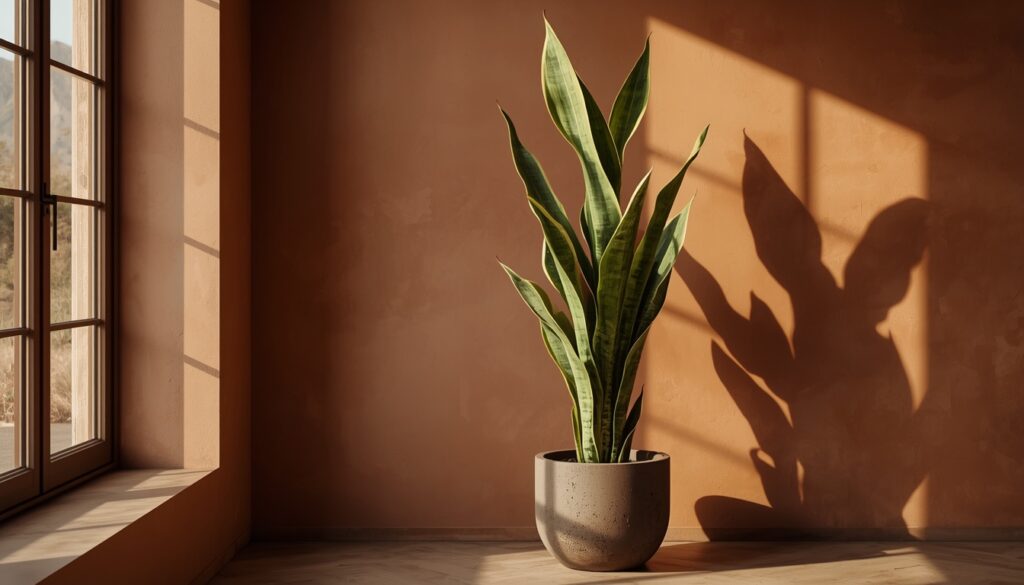
The snake plant’s story begins in tropical Africa, not in a designer interior. Kew describes its native environment as seasonally dry tropical habitat, where rainfall and moisture availability change across the year. Such habitats are neither permanent deserts nor continuously wet forests. They are places in which plants must exploit periods of growth while surviving intervals of scarcity. powo.science.kew
That distinction helps explain the plant’s unusual combination of toughness and vulnerability. It can endure drought because its leaves and rhizomes store resources. Yet it can suffer in saturated soil because the roots and underground structures evolved in conditions where water does not remain permanently around them.
The First Human Connections
The surviving record does not provide a single, definitive account of when people first cultivated the species. Nor is there strong evidence for assigning every modern folk claim to a particular ancient civilisation. Historical knowledge is more fragmentary than the confident stories often repeated in popular houseplant writing.
What is clearer is that plants in the former Sansevieria group attracted attention for more than their appearance. Their leaves contain tough fibres that have been used in rope, cordage and related materials, and ethnobotanical literature records traditional uses of leaves and rhizomes in several regions. phytopharmajournal
These accounts should be understood as records of cultural practice, not as proof of medical effectiveness. The plant’s practical value arose from its physical properties as much as from its symbolic or medicinal associations.
Names, Classification and Botanical Exploration
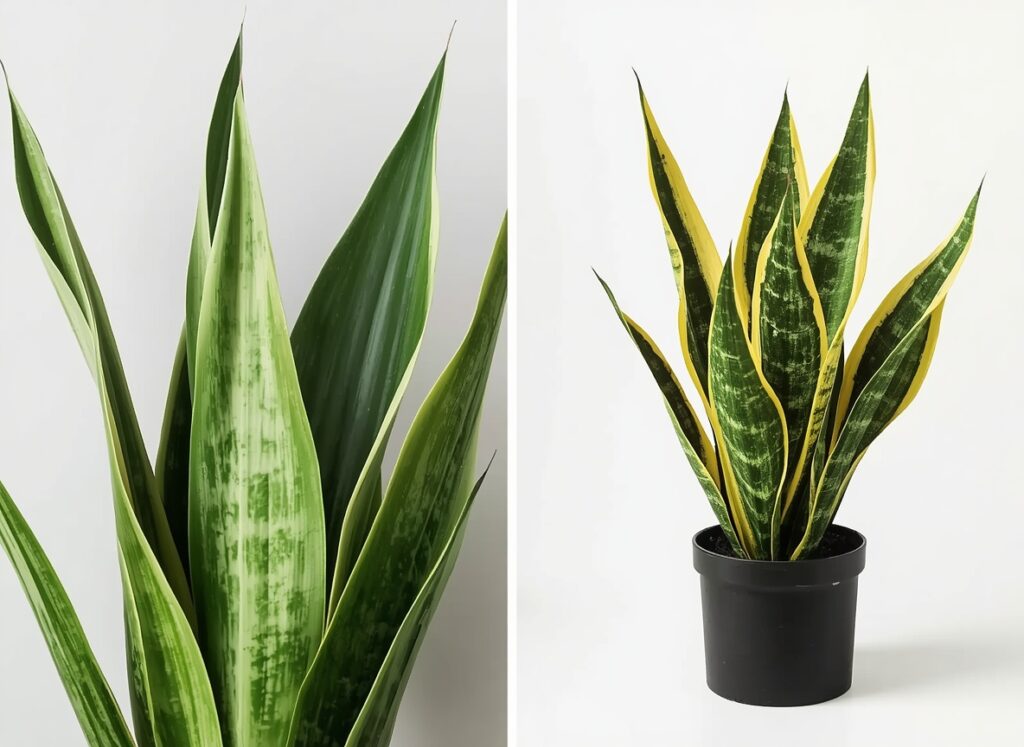
The plant’s scientific history reflects the changing nature of botanical knowledge. In 1753, Carl Linnaeus placed the plant with Aloe. In 1903, David Prain treated it as Sansevieria trifasciata in his work on Bengal plants. More than a century later, molecular and comparative research supported the transfer of the species into Dracaena. Kew records Dracaena trifasciata as the modern name and Sansevieria trifasciata as a synonym. kew
For gardeners, the change can be confusing. Labels may still say “Sansevieria,” and nurseries often use the old name because it remains widely recognised. Both names may therefore appear in plant searches, catalogues and care guides. Taxonomy is not a correction of common speech; it is an attempt to describe relationships among living organisms with increasing precision.
Medicine, Fibre and Symbolism
Traditional-use literature reports applications involving skin conditions,
Traditional-use literature reports applications involving skin conditions, fungal complaints, pain, fever, respiratory problems and other ailments, as well as protective or symbolic uses in some African contexts. The evidence varies by region and source, and many reported uses have not been tested in rigorous human clinical trials. phytopharmajournal
The plant’s fibre history is less dependent on interpretation. Tough leaf fibres made members of the former Sansevieria group useful for cordage and related materials. This is an important reminder that plants enter human life through many routes: food, medicine, clothing, construction, ritual, ornament and trade.
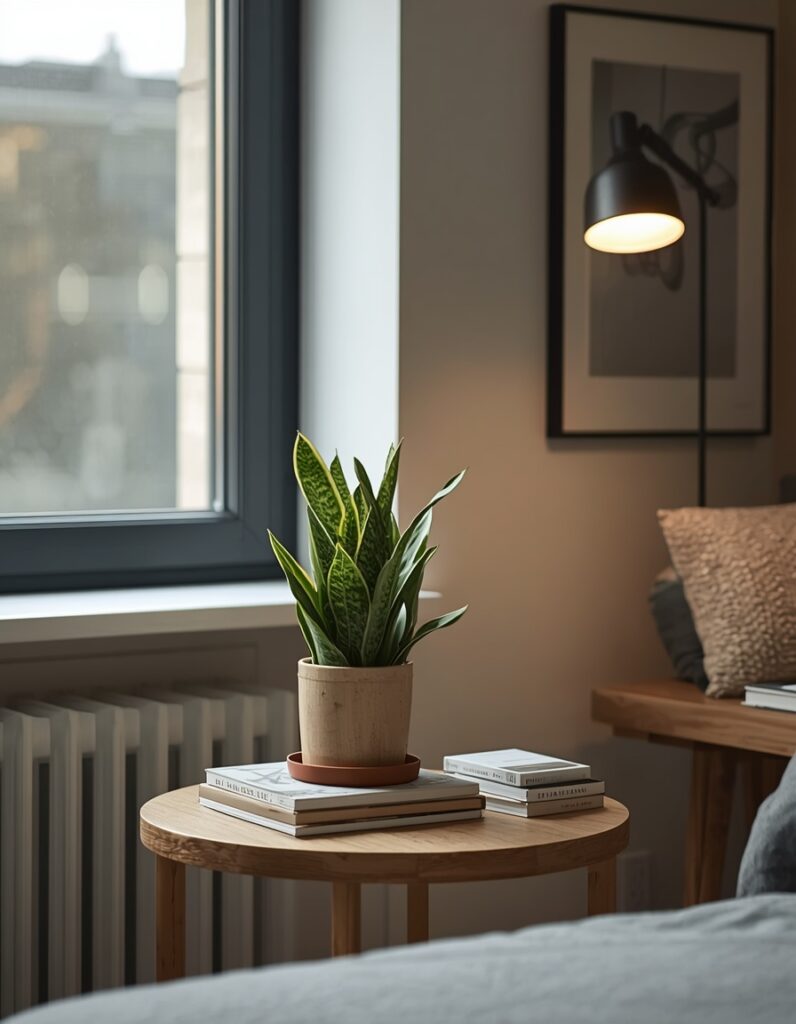
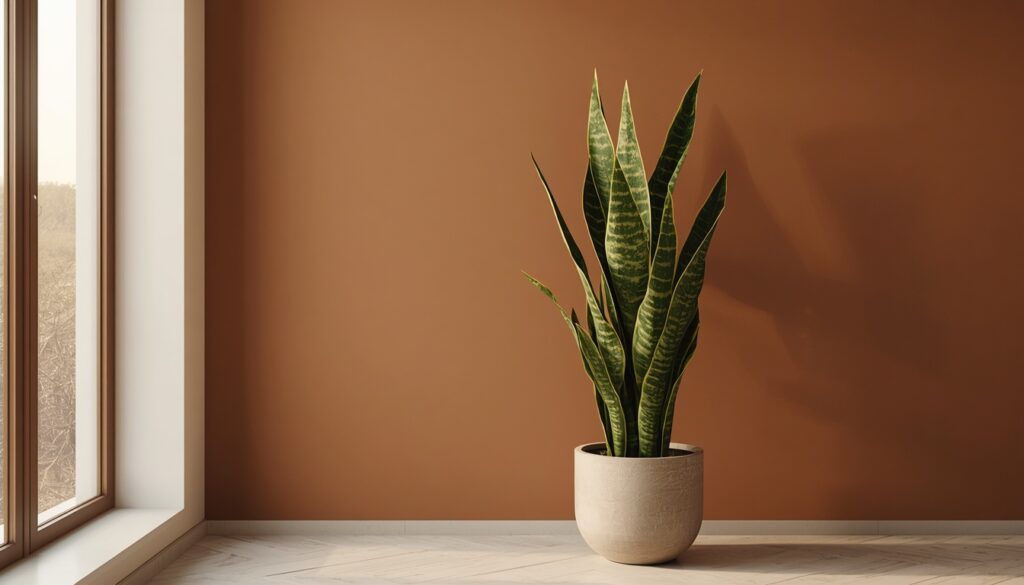
The popular English name “mother-in-law’s tongue” is usually explained by the leaves’ sharp, pointed form. That explanation describes the image behind the name, but it does not establish a single origin or universal cultural meaning.
The Age of Trade
Once transported beyond its native range, the snake plant became valuable as an ornamental because it combined sculptural form with tolerance of dry indoor air. Botanical gardens, nurseries and private collectors helped circulate plants and cultivars between tropical and subtropical regions.
Its movement was part of a broader history in which plants travelled with commerce, empire, migration and horticultural exchange. The same global systems that moved valuable crops and fibres also moved decorative plants. In new environments, the species could be grown in pots, conservatories and outdoor landscapes where frost was absent.
The appearance of modern cultivars reflects this horticultural process. Nurseries selected plants for height, compactness, leaf colour and variegation, gradually turning a drought-adapted African perennial into a collection of interior-design forms.
From Garden Specimen to Windowsill Plant
The modern houseplant market found in the snake plant a near-perfect companion. It tolerates periods of neglect, does not demand high humidity and can remain attractive in spaces where many leafy tropical plants struggle. Extension services describe it as tolerant of low light, while also emphasising that bright indirect light supports better growth. extension.psu
Its success is therefore not accidental. The plant’s popularity is an afterlife of its ecology. A species adapted to conserve water becomes useful to people who travel, work long hours or live in centrally heated rooms. A plant once associated with fibre and regional traditions becomes a living architectural element in the home.
Leaves as Water Banks
A snake plant leaf is not merely a decorative blade. It is a storage organ, a photosynthetic surface and a structural support. Its thick tissues hold water, while its firm shape helps the leaf remain upright.
The surface is protected by a cuticle—a waxy outer layer that limits evaporation. This does not make the plant immune to dehydration, but it slows water loss. The result is a plant that can continue functioning after the surface of the potting mix has dried.
Rhizomes Below the Soil
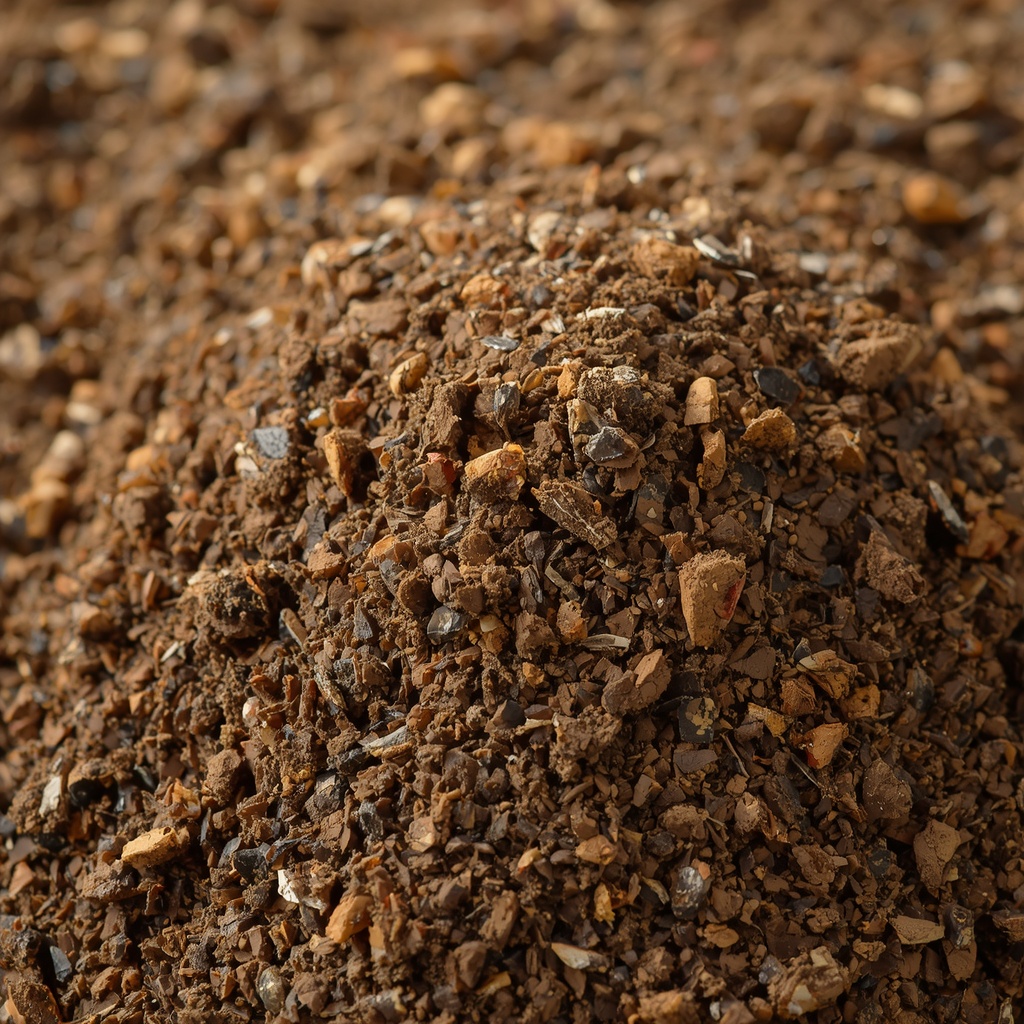
The underground rhizome is a horizontal storage stem. It can produce roots and new shoots, allowing the plant to expand into a clump. When a snake plant appears to multiply beside its original leaves, it is often the rhizome doing the work.
This explains why division is so effective. A section with a healthy rhizome, roots and leaves already contains much of the structure needed to establish a new plant.
CAM Photosynthesis
Snake plants are commonly associated with Crassulacean Acid Metabolism, or CAM photosynthesis. In this strategy, stomata—the microscopic pores used for gas exchange—open mainly at night, when cooler conditions reduce water loss. Carbon dioxide is temporarily stored in organic acids, then used during the day when light is available.
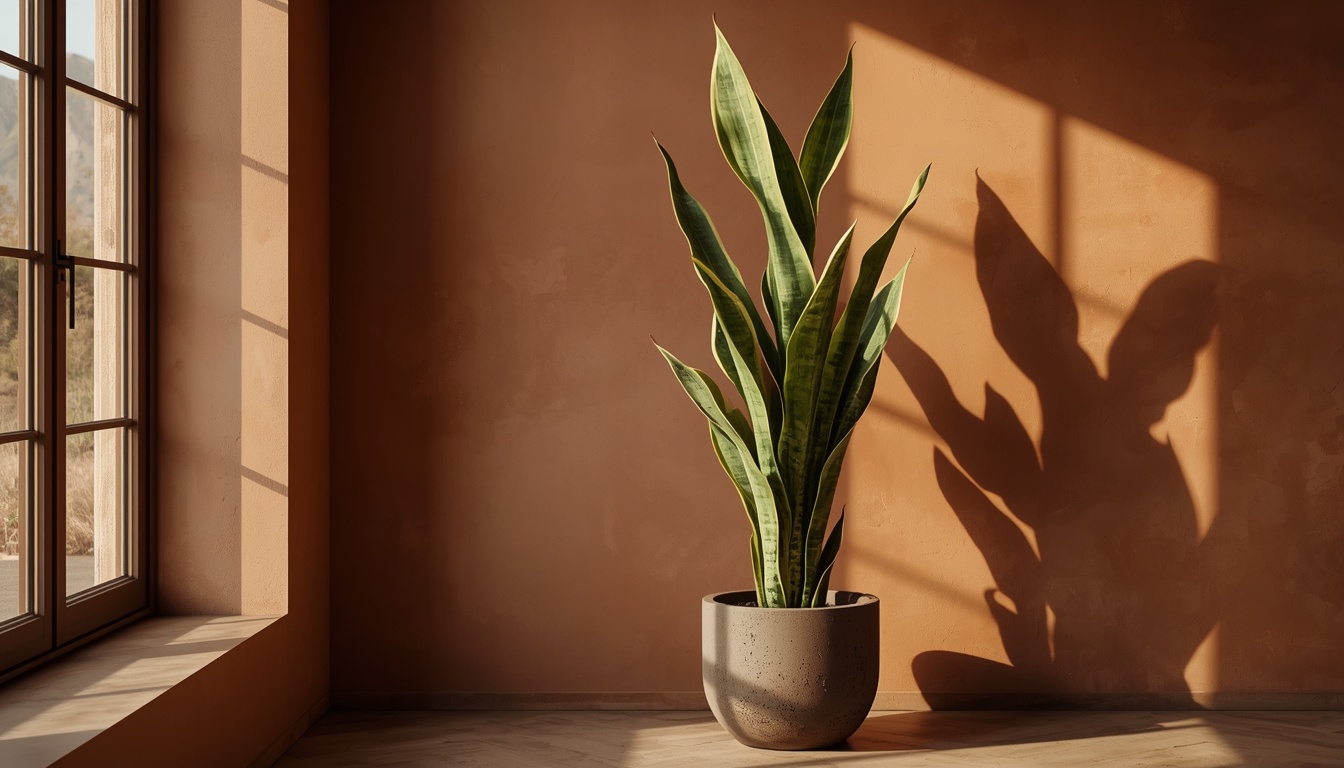
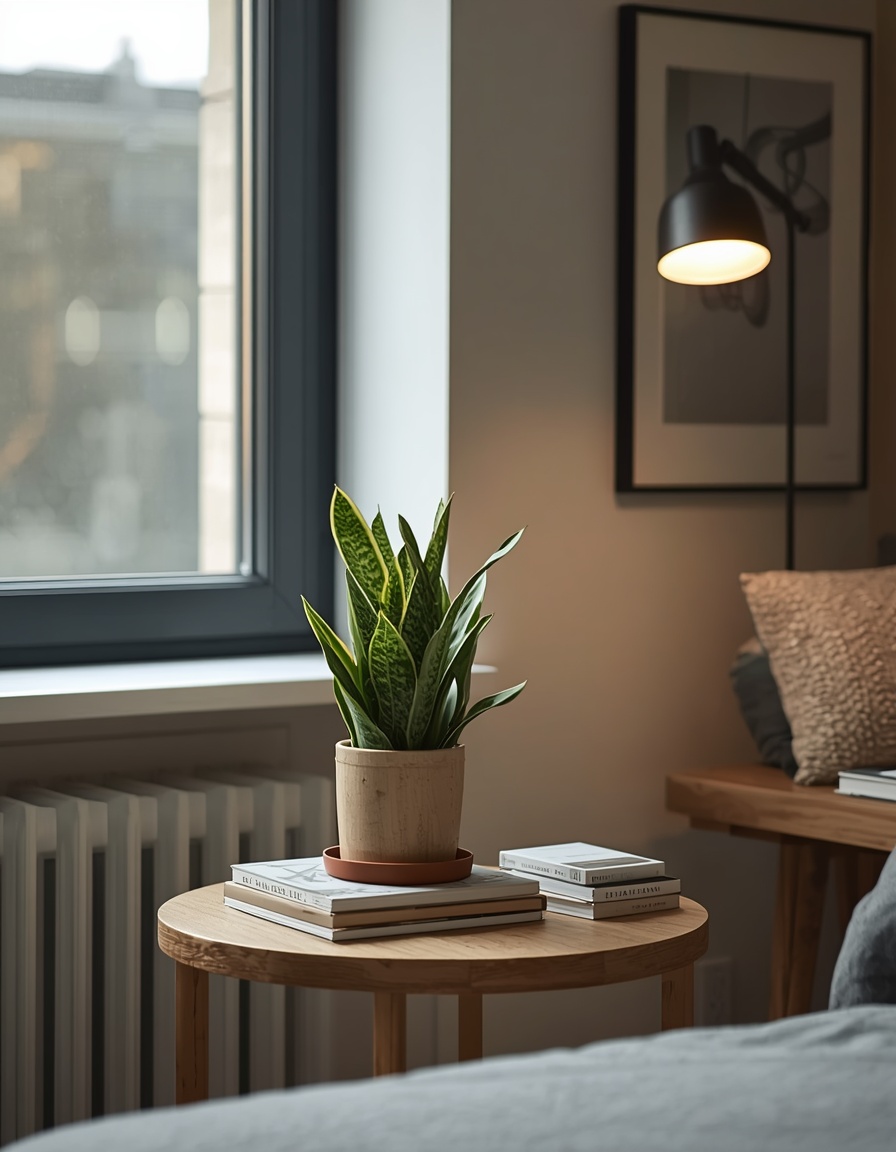
In ordinary photosynthesis, plants often open their stomata during daylight to take in carbon dioxide. CAM separates gas collection from sugar production in time. It is a water-saving strategy rather than a magical form of night-time oxygen production.
The plant still requires light for the light-dependent stages of photosynthesis. A dark room may not kill it quickly, but it cannot support vigorous growth indefinitely.
Light and Growth Rate

Low light plants are often misunderstood. Tolerance means the plant can survive under a condition, not that the condition is ideal. In bright indirect light, a snake plant generally grows more actively and maintains stronger colour. In dim light, growth slows, and watering must be reduced because the plant is using less water.
A position near a bright window filtered by a sheer curtain is often suitable. Sudden exposure to strong direct sunlight can scorch leaves, especially if the plant has been grown indoors in shade.
Water Management
Low light plants are often misunderstood. Tolerance means the plant can survive under a condition, not that the condition is ideal. In bright indirect light, a snake plant generally grows more actively and maintains stronger colour. In dim light, growth slows, and watering must be reduced because the plant is using less water.
A position near a bright window filtered by a sheer curtain is often suitable. Sudden exposure to strong direct sunlight can scorch leaves, especially if the plant has been grown indoors in shade.
Reproduction
In nature, reproduction may occur through seed after flowering, but indoor growers most often use vegetative propagation.
Division separates rhizomes and their attached shoots.
Rhizome cuttings use sections of underground stem to produce new growth.
Leaf cuttings can root in suitable conditions, although variegated cultivars may revert to plain green because the new plant develops from tissue that does not preserve the original margin pattern.
Flowering is possible but unpredictable indoors. A mature plant may send up a flower stalk when conditions, age and environmental stress align. The flowers are small compared with the leaves but can be surprisingly fragrant.
Plant Chemistry
Dracaena plants contain saponins, compounds associated with gastrointestinal irritation in pets. This is why the plant should not be treated as an edible herb or casual medicinal ingredient. Traditional use and laboratory investigation may provide useful historical or scientific questions, but they do not establish safe home remedies.
Claims that snake plants significantly purify ordinary rooms should also be treated carefully. Laboratory studies of plants and volatile compounds do not automatically translate into meaningful air-cleaning effects in a typical home. Kew notes that a room would require a very large number of plants to produce noticeable benefits of that kind. kew
The snake plant Growing Guide
1. Choosing a Healthy Plant
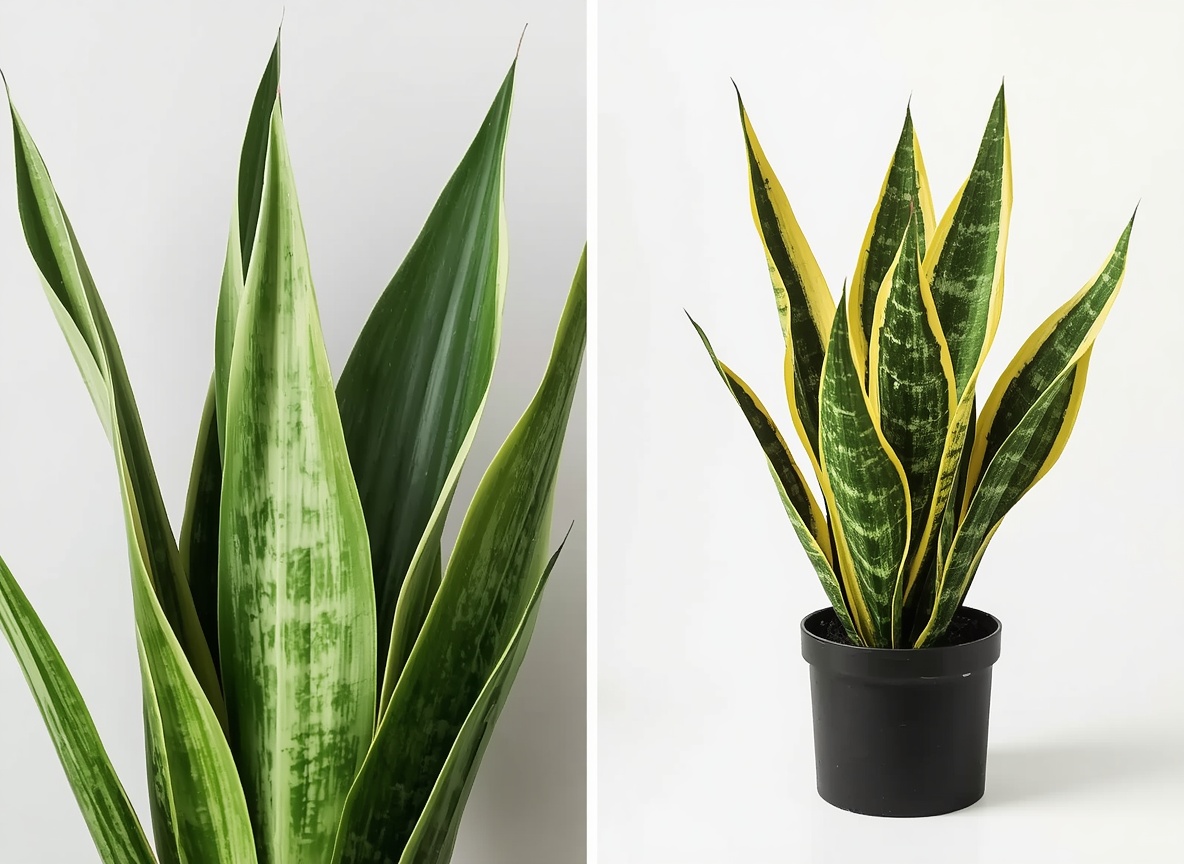
Select a specimen with:
- Firm leaves that stand upright.
- No soft, collapsing base.
- No sour smell from the pot.
- Roots or rhizomes that are not visibly black and mushy.
- No cottony insects, webbing or sticky residue.
- Even colour appropriate to the cultivar.
- A pot with drainage holes.
Avoid plants that have been sitting in permanently wet soil. A slightly dry plant is usually easier to recover than one with advanced root or rhizome rot.
2.Choosing the Location
Place the plant in bright, filtered light if possible. It can survive in a dimmer corner, but growth will be slower and the soil will remain wet for longer.
Keep it away from:
- Harsh afternoon sun through unfiltered glass.
- Cold draughts.
- Radiators and hot-air vents.
- Locations where pets or small children can chew the leaves.
Rotate the pot occasionally if the plant leans toward the window.
3. Choosing the Container
Choose a container with a drainage hole. Decorative cachepots can be used, but excess water must be emptied after watering.
A good container should be:
- Only modestly larger than the root ball.
- Heavy enough to support tall leaves.
- Stable rather than unusually narrow.
- Made from a material suited to your watering habits.
Terracotta dries more quickly and can help careful growers avoid excess moisture. Plastic retains moisture longer and may suit people whose homes are warm and dry. Neither material is inherently superior; the drainage and watering behaviour matter more.
4. Choosing Soil
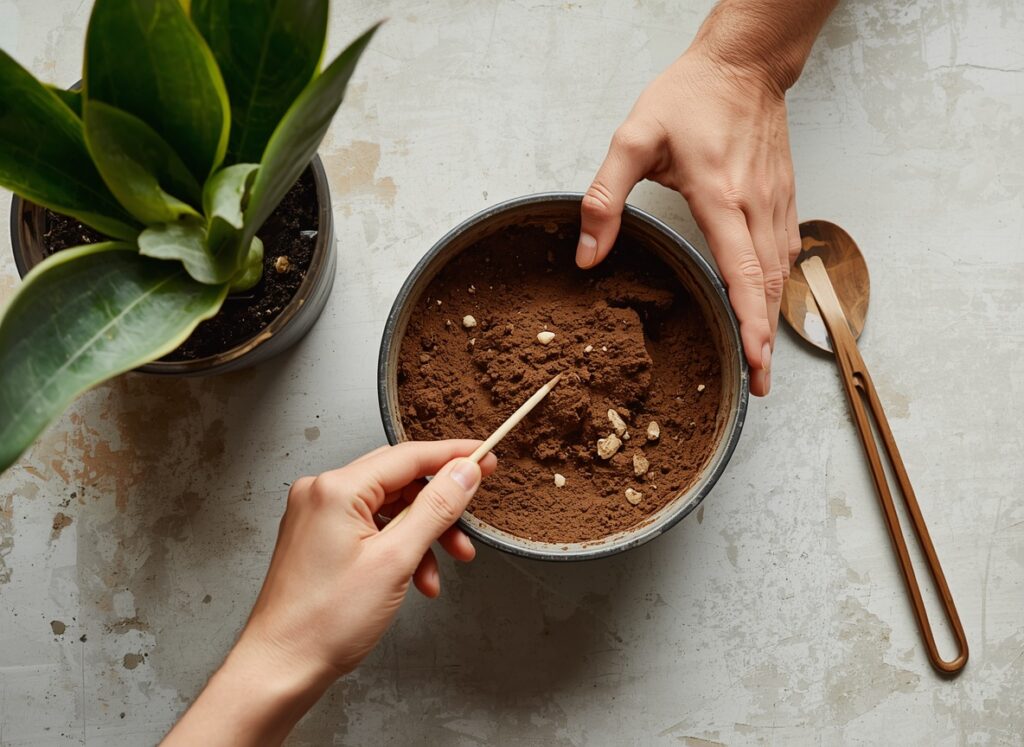
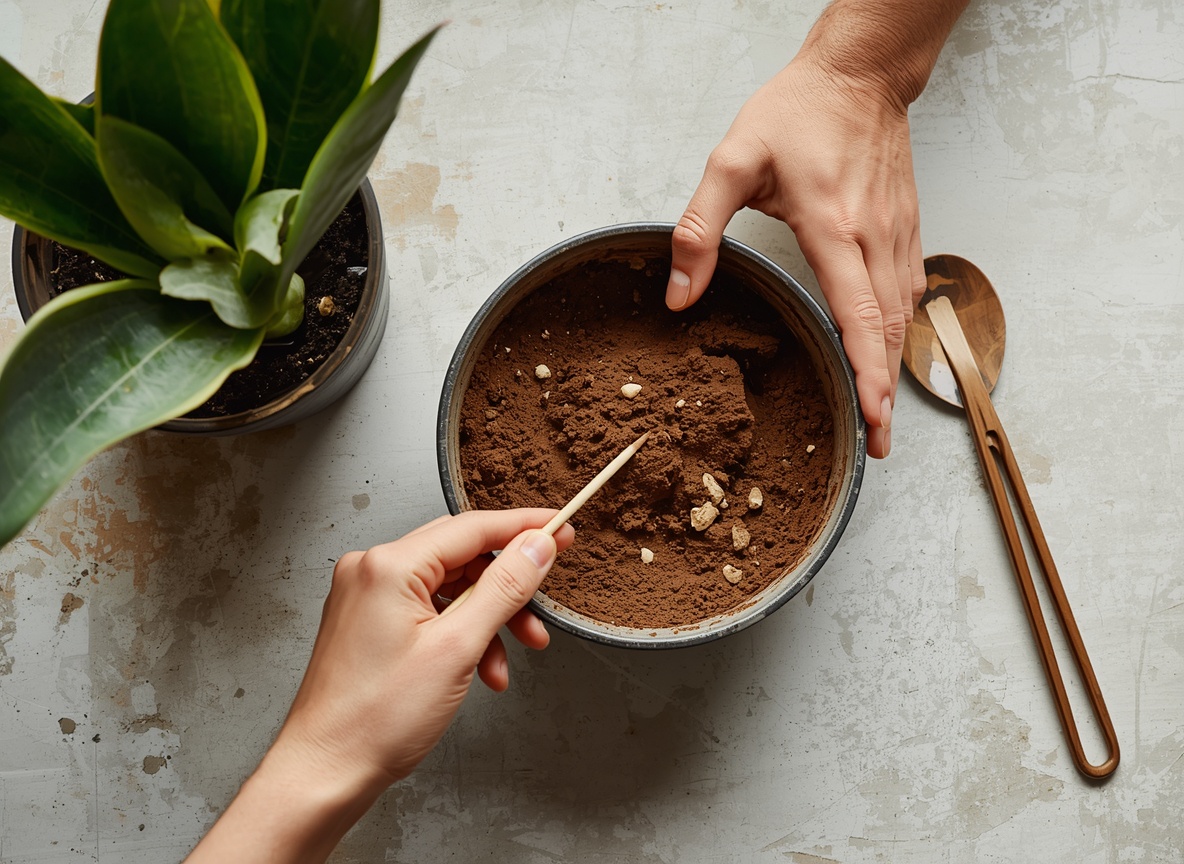
Use a loose, fast-draining mix. A commercial cactus or succulent mix is a useful starting point. If the mix feels dense or remains wet for a long time, add a mineral component such as perlite, pumice or coarse bark.
The aim is not soil that becomes hydrophobic and bone-dry immediately. The aim is a medium that holds enough moisture for roots to use while allowing excess water and air to move through the pot.
5. Watering
Water when the mix has dried substantially through the pot.
A reliable method is:
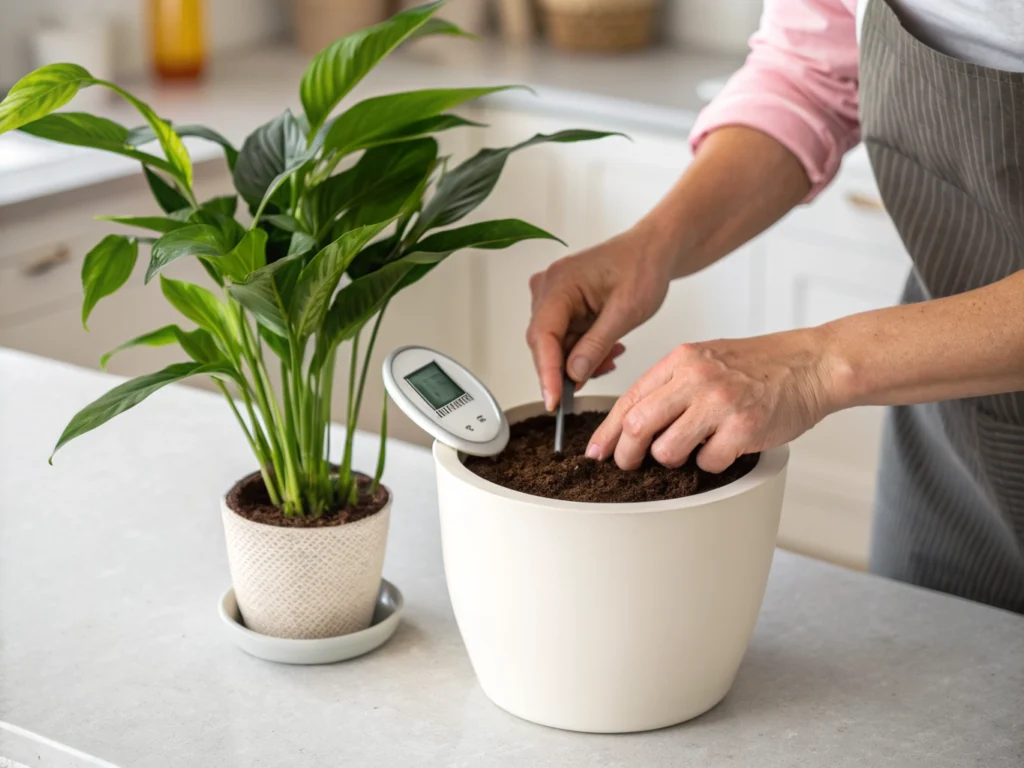
- Push a finger, wooden skewer or moisture probe deep into the pot.
- Check more than the surface; the top layer may be dry while the centre remains wet.
- If the lower mix is still damp, wait.
- When dry, water slowly and thoroughly until a little drains from the bottom.
- Empty the saucer or cachepot.
There is no universal schedule. In a bright, warm room, watering may be needed every few weeks during active growth. In low light or winter conditions, the interval may be much longer. North Carolina Extension advises allowing the soil to dry between waterings and reducing winter watering substantially. plants.ces.ncsu
Warning signs of excess moisture include:
- Yellowing leaves combined with wet soil.
- Soft leaf bases.
- Dark, collapsing tissue.
- A sour smell.
- Rhizomes that feel soft rather than firm.
Wrinkling or curling leaves can indicate prolonged dryness, but they can also result from damaged roots. Always inspect the soil and roots together rather than diagnosing from one symptom.
6. Light
Ideal light is bright and indirect. A few hours of gentle direct morning light may be tolerated, but strong, hot sun can bleach or scorch foliage.
In low light:
- Growth slows.
- Variegation may appear less vivid.
- The plant uses water more slowly.
- The risk of overwatering increases.
If natural light is inadequate, an LED grow light can help. Place it according to the manufacturer’s instructions and give the plant a consistent day-night rhythm rather than leaving the light on continuously.

7. Temperature
Typical indoor temperatures are suitable. Protect the plant from frost and prolonged exposure to cold conditions. Sudden cold can damage leaves, especially when combined with wet soil.
Avoid placing it directly against a cold window during winter nights or beside a heating outlet that creates intense, dry heat on one side of the plant.
8. Humidity
Average household humidity is usually sufficient. Unlike many tropical foliage plants, the snake plant does not require misting or a humidifier to remain healthy.
Good air movement is more useful than stagnant, humid conditions. Never compensate for poor drainage by increasing humidity.
9. Fertilisation
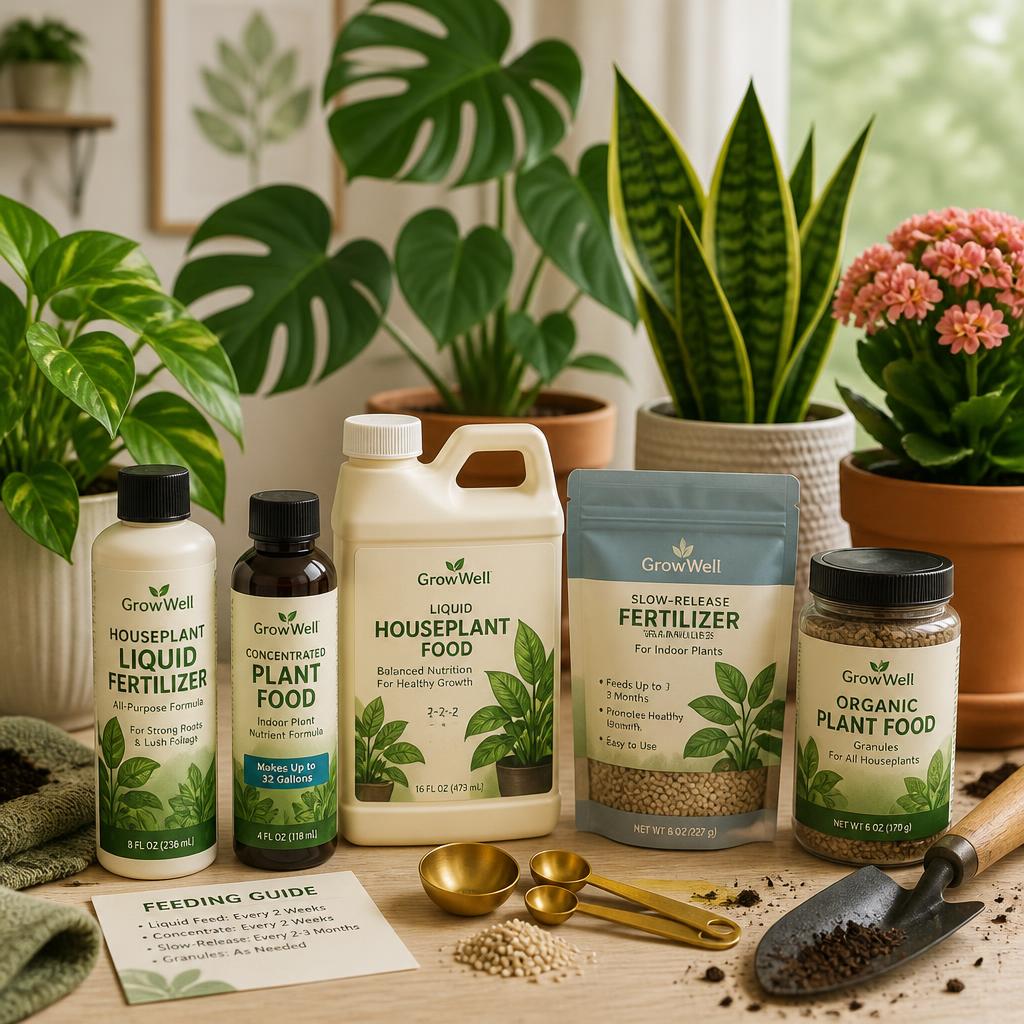
Feed sparingly during spring and summer when the plant is actively growing. Use a balanced indoor-plant fertiliser diluted according to its label.
Avoid fertilising:
- Immediately after repotting.
- When the plant is severely stressed.
- During cold, dim winter conditions.
- More frequently than the product label recommends.
Excess fertiliser can accumulate in the potting mix and damage roots. Slow growth in low light is not always a nutrient deficiency; it may simply reflect insufficient energy for vigorous growth.
10. Repotting
Repot when:
- Roots or rhizomes are tightly packed.
- The pot has cracked or become unstable.
- Water runs through unusually quickly because the mix has broken down.
- The plant repeatedly dries too quickly.
- There are signs of root or rhizome rot.
Move up only one pot size. An oversized container holds more unused soil and increases the time required for the mix to dry.
Remove the plant gently, inspect the underground parts and cut away soft, rotten tissue with a clean blade. Allow damaged cuts to dry briefly before planting into fresh, dry or barely moist mix.
11. Pruning
Pruning is rarely necessary. Remove damaged leaves at the soil line using clean, sharp scissors or a knife. Do not cut the tips simply to make them shorter; the cut edge will remain visible.
Dust can be wiped from broad leaves with a soft, damp cloth. Avoid oily leaf-shine products, which may interfere with the leaf surface and attract dust.
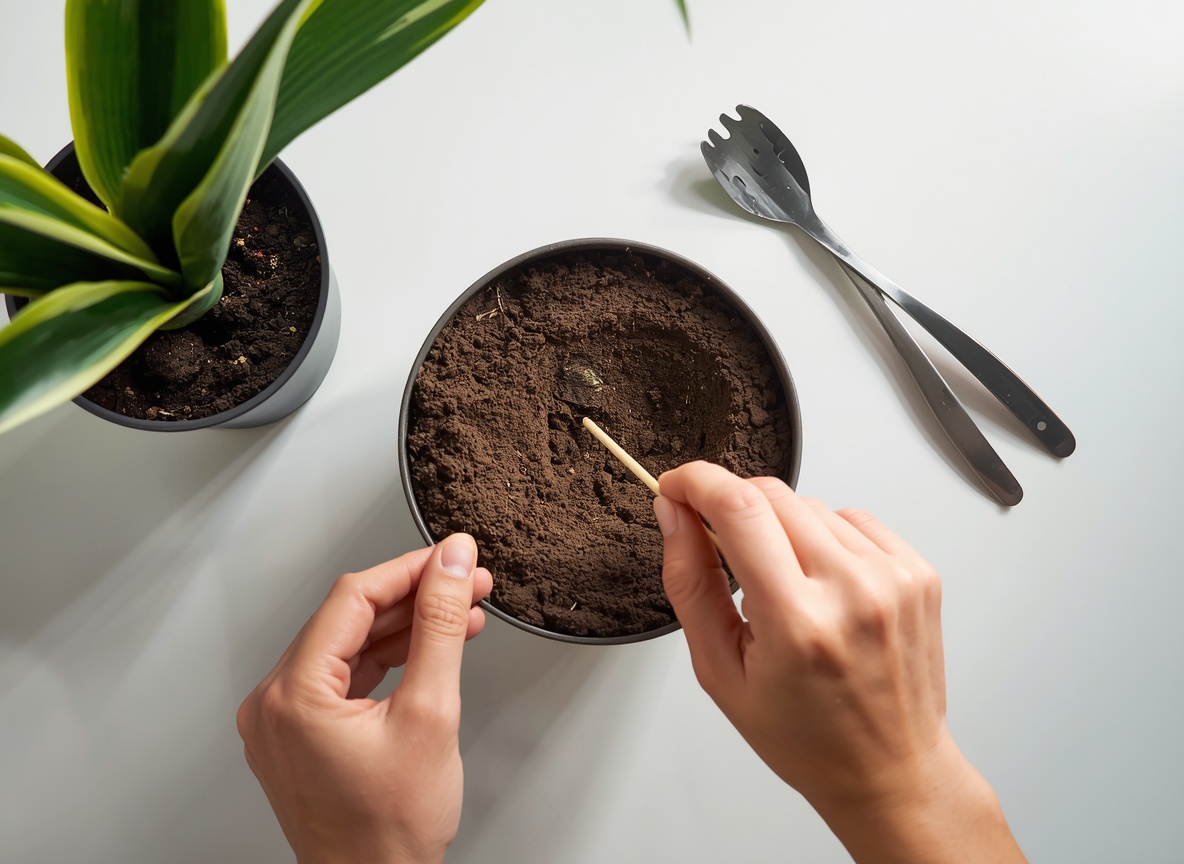
12. Propagation
Division
- Remove the plant from its container.
- Brush away enough soil to see the rhizomes.
- Identify a division with leaves, roots and a firm rhizome.
- Separate it by hand or cut with a sterilised blade.
- Let damaged surfaces dry for a short period.
- Pot each division into a well-drained mix.
- Wait until the mix is dry before beginning cautious watering.
Division is the best option for preserving variegation.
Leaf Cuttings
- Cut a healthy leaf into sections several centimetres long.
- Mark which end was closest to the root; cuttings must be planted in the correct orientation.
- Allow the pieces to air-dry briefly.
- Insert the lower end into a lightly moist, fast-draining medium.
- Keep in bright, indirect light.
- Water sparingly while roots and shoots develop.
Leaf-cutting propagation can be slow. Green cultivars are generally more predictable than strongly variegated ones..
Seasonal Care
Spring
Increase observation as light levels rise. Resume cautious feeding if new growth appears. Repot or divide if the plant has become crowded.
Summer:
Growth may be strongest. Check soil dryness more often, especially in bright light, but never water automatically. Protect leaves from extreme hot sun.
Autumn
Reduce watering as light and temperature decline. Inspect for pests before moving plants closer to windows or into shared indoor spaces.
Winter
Growth may slow dramatically. Keep the plant away from cold glass and reduce watering. North Carolina Extension suggests that some plants may need watering only every one to two months in winter, depending on indoor conditions. plants.ces.ncsu
“Its popularity is an afterlife of its ecology: a plant adapted to conserve water becomes a companion for people who often forget to give it any.”
Troubleshooting Table
| Problem | Likely cause | Solution | Prevention |
|---|---|---|---|
| Yellow leaves | Excess moisture, poor drainage or natural ageing | Check roots and soil; remove rotten tissue and repot if necessary | Use a draining mix and wait for substantial dryness |
| Soft leaf base | Root or rhizome rot | Cut away soft tissue and repot healthy sections | Never leave the pot standing in water |
| Brown, crispy edges | Prolonged dryness, intense sun or heat stress | Move from harsh sun and water thoroughly when the mix is dry | Provide filtered light and monitor deep soil moisture |
| Drooping leaves | Root damage, severe dryness, cold or physical damage | Inspect roots and environment before watering again | Keep temperatures stable and avoid saturated soil |
| Slow growth | Low light, cool conditions, winter dormancy or cultivar habit | Move to brighter filtered light if appropriate | Match expectations to the season and light level |
| Leggy or widely spaced growth | Insufficient light | Gradually move closer to a bright window | Provide stronger indirect light |
| Leaf spots | Fungal or bacterial problems, wet foliage, poor airflow or injury | Isolate, remove affected tissue and improve airflow; avoid wetting leaves | Water the soil, not the foliage, and avoid crowding |
| Pests | Mealybugs, scale or mites, especially on stressed plants | Remove visible pests and treat with an appropriate labelled product | Inspect new plants before placing them with others |
| No flowering | Immaturity, low light or indoor conditions | Provide suitable light and patience | Do not stress the plant deliberately to force flowers |
| Failed propagation | Excess moisture, incorrect cutting orientation or insufficient warmth | Recut healthy material and use a lightly moist, airy medium | Keep cuttings warm, bright and barely moist |
Silphora tools:
Affiliate Disclosure: Some links on this website are affiliate links, which means we may earn a commission if you make a purchase through them, at no additional cost to you. Our recommendations focus on useful product categories and are not endorsements of any specific brand.
Decorative Plant Pot
A stable decorative pot can display a tall specimen while reducing the risk of tipping. It should either have a drainage hole or hold a separate nursery pot that can be removed for watering.
Who needs it: Anyone using the plant as an architectural feature in a living room, hallway or office.
What to look for: A broad base, appropriate size and enough room for drainage management.
When it is unnecessary: A plain nursery pot is perfectly functional.
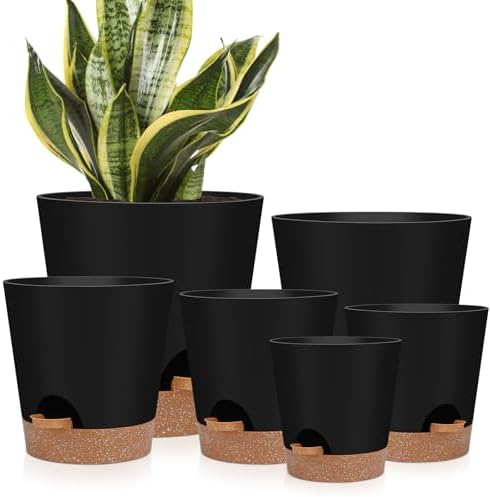
- 【Practical Size Combo】-These plastic planters indoor combines with 6 different sizes, 8 inch 7inch 6.5 inch 6 inch 5.5 i…
- 【Durability, Light weight, Sturdiness】-Made of durable recyclable plastic, solid plastic plant pots protect plants and s…
- 【Intriguing Design】-A simple modern aesthetic and clean matte finish planters indoor plants bringing out a minimalistic …
Moisture Meter
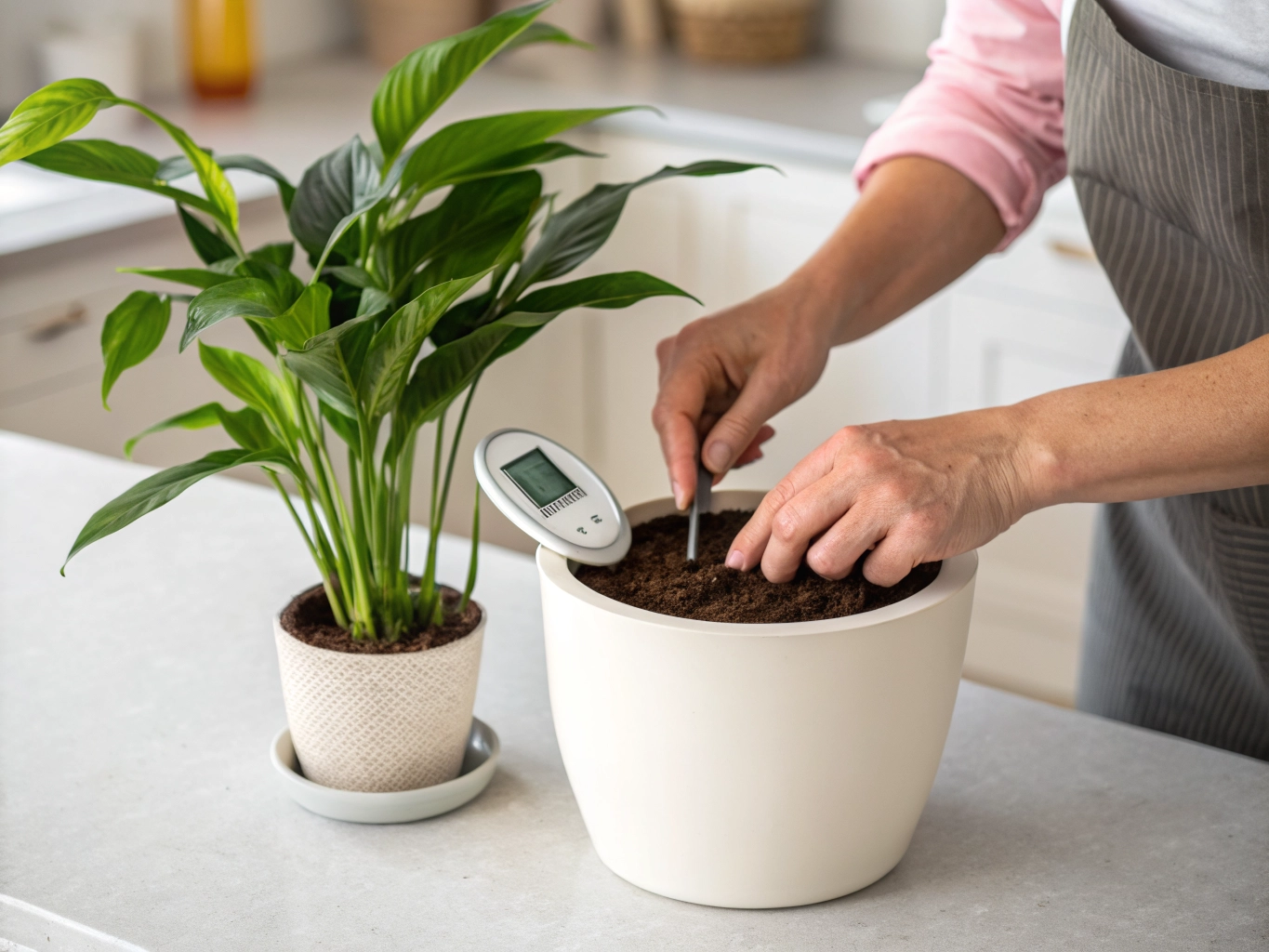
What it is: A handheld device that measures soil moisture levels by inserting a probe into the potting mix. missouribotanicalgarden
Why it helps For beginners who struggle to judge moisture deep inside a large pot, a moisture meter provides objective data about when to water. missouribotanicalgarden It removes guesswork and can prevent both overwatering and underwatering. missouribotanicalgarden
Who needs it: New plant owners; those with large pots where surface dryness does not reflect deeper moisture; anyone who has repeatedly lost plants to watering issues. missouribotanicalgarden
What to look for: Clear, easy-to-read display; durable probe; reliable brand with positive reviews. missouribotanicalgarden
When it is unnecessary: Experienced plant parents who can accurately judge moisture by touch; small pots where the finger-test is reliable. missouribotanicalgarden A moisture meter is not a replacement for observing the plant and checking the soil. missouribotanicalgarden

- 【7-in-1 Features】This is a 7-in-1 multi-function soil tester. Our soil tester quickly measures soil moisture, pH, temper…
- 【Large Screen & LCD Backlight】The Soil Moisture Meter has a large LCD display with white backlight that clearly shows th…
- 【Fast and accurate measurement】With the latest 2025 probe technology, it can quickly and accurately measure soil pH, moi…
Silphora Recommendation :
A basic analog moisture meter is sufficient for most spider plant owners; digital models offer more precision . missouribotanicalgarden
Indoor Plant Fertilizer
A balanced indoor-plant fertiliser can support growth during brighter months, but the plant is not a heavy feeder.
Who needs it: Growers whose plants are actively producing new leaves in suitable light.
What to look for: Clear dilution instructions and a formulation intended for houseplants.
When it is unnecessary: A recently repotted plant with fresh, nutrient-containing mix may not need additional fertiliser for some time.
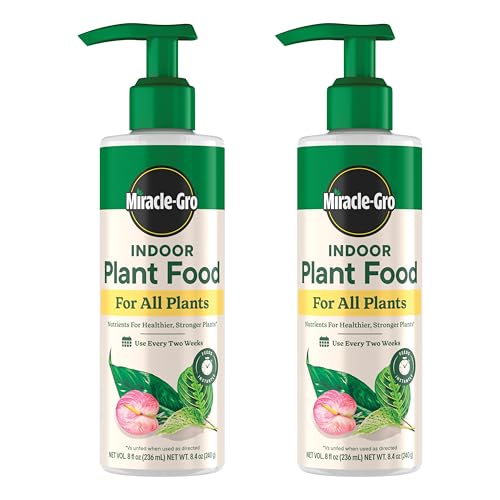
- INDOOR HOUSEPLANT FOOD: Miracle-Gro Indoor Plant Food All Plants contains nutrients for healthier, stronger plants (vs u…
- NUTRIENTS FOR HEALTHY HOUSEPLANTS: This liquid plant food for indoor plants feeds instantly to help grow healthy housepl…
- FOR INDOOR POTTED PLANTS: Use house plant food with all indoor container plants, including houseplants, flowers, vegetab…

- FEEDS ALL PLANTS: Miracle-Gro Water Soluble All Purpose Plant Food is a plant fertilizer that feeds all outdoor, in-grou…
- PROMOTES GROWTH: Use this all-purpose plant food outdoors and indoors to grow bigger, more beautiful plants (vs unfed pl…
- NPK: 24-8-16 outdoor and indoor plant food contains Nitrogen (N), Phosphorus (P) and Potassium (K) which are key nutrien…
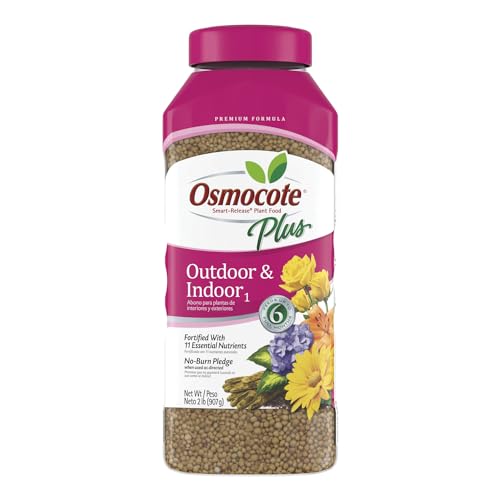
- CONTINUOUS RELEASE NUTRITION: Osmocote Smart-Release Plant Food Plus Outdoor & Indoor1 granular fertilizer contains 11 e…
- USE WITH VIRTUALLY ALL PLANTS: This plant food for houseplants, flowers, vegetables, trees, shrubs, roses, and more work…
- RESIN COATING: Each granule of Osmocote Plus Outdoor & Indoor1 is coated with a unique resin that controls nutritional r…
LED Grow Light

An LED grow light can supplement weak winter or apartment light. It is most useful when a plant is surviving but not growing, or when a home has few bright windows.
Who needs it: Residents of dim flats, north-facing rooms or offices.
What to look for: Adjustable positioning, a timer and a design that can illuminate the foliage evenly.


“Low-light tolerance is a form of survival, not a promise of vigorous growth.”
Did You Know?
- The name Sansevieria is still widely used even though modern classification places the species in Dracaena. kew
- A snake plant’s underground rhizome is a stem, not a root. It stores resources and produces new shoots.
- Leaf-cutting propagation can produce a green plant from a variegated cultivar, which is why division is preferred when preserving yellow margins matters.
- The plant’s drought tolerance is connected to the timing of gas exchange: CAM plants can open stomata at night, when water loss is lower.
- A plant can survive in low light while becoming weaker and slower-growing. “Tolerates” does not mean “prefers.”
To care for a snake plant well is to read the dry season from inside an apartment.
FAQ?
How often should you water a snake plant?
Water a snake plant only when the potting mix has dried substantially through the container. The interval may be every few weeks in bright, warm conditions and much longer in winter or low light. Water thoroughly until excess drains from the bottom, then empty the saucer. Calendar-based watering is less reliable than checking the soil because pot size, light, temperature and mix all affect drying.
Can snake plants grow in low light?
Yes, snake plants can survive in low light, but they usually grow more slowly there. Low light also means the soil dries more slowly, so watering must be reduced. For stronger growth and better colour, provide bright, indirect light. Avoid moving a plant suddenly from deep shade into intense direct sun, as the leaves may scorch.
What is the accepted scientific name for Sansevieria?
The accepted scientific name is generally Dracaena trifasciata (Prain) Mabb. Sansevieria trifasciata is a widely used synonym and remains common in horticultural labels and everyday speech. The reclassification reflects botanical and molecular research into relationships within the group. powo.science.kew
Why are my snake plant leaves turning yellow?
Yellow leaves most often indicate excess moisture, poor drainage or root problems, although individual older leaves can also yellow naturally. Check the soil below the surface and inspect the roots if the mix remains wet. If roots or rhizomes are soft and dark, remove damaged tissue and repot the healthy portions in fresh, fast-draining mix.
Does a snake plant need high humidity?
No. Average indoor humidity is normally adequate. Snake plants are adapted to conserving water and do not require misting or a humidifier. More important factors are good drainage, suitable light and protection from cold draughts. Persistently humid conditions combined with wet soil can increase the risk of rot rather than improving growth.
How do you propagate a snake plant?
The most dependable method is division. Remove the plant from its pot, separate a firm rhizome section with roots and leaves, and plant it in a well-drained mix. Leaf cuttings are also possible, but they can be slow and may not preserve the variegation of cultivars with yellow margins.
Is a snake plant toxic to cats and dogs?
Yes. The ASPCA lists Dracaena plants as toxic to cats and dogs. Ingestion may cause vomiting, drooling, depression, loss of appetite and related gastrointestinal signs. Keep the plant out of reach, and contact a veterinarian promptly if an animal has chewed or swallowed part of it. aspca
Should a snake plant be planted in a large pot?
Usually not. A pot only slightly larger than the root system is safer because a very large container holds more wet soil around unused roots. Choose a stable, heavy pot for tall varieties, but increase the diameter gradually when repotting. Always use a drainage hole.
Why is my snake plant leaning?
Leaning can result from uneven light, overcrowding, a lightweight pot, weak or damaged roots, or leaves that have been physically bent. Rotate the plant, improve filtered light and use a heavier container if necessary. If the base is soft, investigate root or rhizome rot before adding support.
Can a snake plant flower indoors?
Yes, but flowering is uncommon and unpredictable indoors. Mature plants may produce a slender stalk carrying small, pale, fragrant flowers. Flowering is influenced by age, light, root restriction and environmental conditions. Do not deliberately deprive the plant of water to force flowers, since severe stress can cause lasting damage.
Featured Snippet
How do you care for a snake plant?
Snake plant care requires bright, indirect light, fast-draining soil and infrequent but thorough watering. Allow the potting mix to dry deeply before watering again, reduce watering in winter, avoid standing water, and keep the plant warm. Average household humidity is sufficient, but the plant is toxic to cats and dogs if eaten.
Conclusion
The snake plant’s quiet presence in a room conceals a long journey. Its upright leaves began in landscapes where rain arrived seasonally and survival depended on conserving every possible drop. Humans noticed its fibres, its resilience, its beauty and its usefulness. Botanists renamed it as scientific understanding changed. Nurseries selected its forms. Homes gave it a new setting without erasing the old pressures written into its anatomy.
That is why snake plant care works best when it follows the plant’s history. Let the soil dry. Give the leaves light, but not punishment. Respect the rhizome beneath the surface. Understand that endurance is not the same as indifference.
A snake plant is not merely an easy houseplant. It is a small, living record of adaptation—an African dry-season strategy translated into the language of the modern interior.
Silphora CTA
Continue exploring the plants that shape human spaces with Silphora. Read more about houseplant history, drought adaptations and the quiet science of growing greenery indoors—or subscribe to the newsletter for carefully researched botanical stories and practical cultivation notes.
Silphora recommends gardening tools only when they solve a real problem: helping you read moisture, provide appropriate light, choose stable containers or care for plants with greater confidence.
smart suggested tools



External References
- Royal Botanic Gardens, Kew. “Dracaena trifasciata subsp. trifasciata.” Plants of the World Online. URL: Kew Science. powo.science.kew
- Royal Botanic Gardens, Kew. “Snake Plant — Dracaena trifasciata.” URL: Kew Gardens. kew
- Penn State Extension. “Snake Plant: A Forgiving, Low-maintenance Houseplant.” 2023. URL: Penn State Extension. extension.psu
- North Carolina Cooperative Extension. “Dracaena trifasciata — Extension Gardener Plant Toolbox.” URL: NC State Extension. plants.ces.ncsu
- ASPCA Animal Poison Control. “Dracaena — Toxic and Non-toxic Plants.” URL: ASPCA. aspca
- ASPCA. “Is That Houseplant Safe for Your Pets?” 2019. URL: ASPCA News. aspca
- World Flora Online Plant List. “Taxonomic snapshot for Dracaena trifasciata.” 2025. URL: World Flora Online. wfoplantlist
- GBIF. “Dracaena trifasciata (Prain) Mabb.” URL: GBIF. gbif
- Phytopharma Journal. “Traditional use, pharmacognosy, phytochemistry and pharmacology: A comprehensive review.” 2024. URL: Phytopharma Journal. phytopharmajournal
The traditional-use review is useful for documenting reported practices, but its claims should not be presented as proof of clinical efficacy.

The Garden Shop
THE SILPHORA GARDEN SHOP A Thoughtful Guide to Growing Better Discover carefully selected gardening tools, growing essentials, and inspiring finds to help…

Hydroponic Gardening for Beginners: Understanding the Essentials of Growing Plants
Overline Hydroponic Gardening for Beginners: Understanding the Essentials of Growing Plants Without Soil Discover the essentials of hydroponic gardening with our free…
Parsley: From Ancient Mediterranean Traditions to the Everyday Herb Garden
herb garden Parsley: From Ancient Mediterranean Traditions to the Everyday Herb Garden Parsley is a Mediterranean herb whose story reaches from ancient…

Best Potting Soil Mix for Balcony Container Gardening
Balcony gargden Best Potting Soil Mix for Balcony Container Gardening Best Potting Soil Mix for Balcony Container Gardening: The Perfect Recipe for…

10 Best Vegetables You Can Easily Grow on an Apartment
Balcony garden 10 Best Vegetables You Can Easily Grow on an Apartment Balcony Best Vegetables to Grow on an Apartment Balcony: Easy,…

How to Successfully Grow Rosemary Indoors in Pots
Indoor garden How to Successfully Grow Rosemary Indoors in Pots How to Grow Rosemary Indoors: Essential Tips for Thriving Plants in Pots opening…